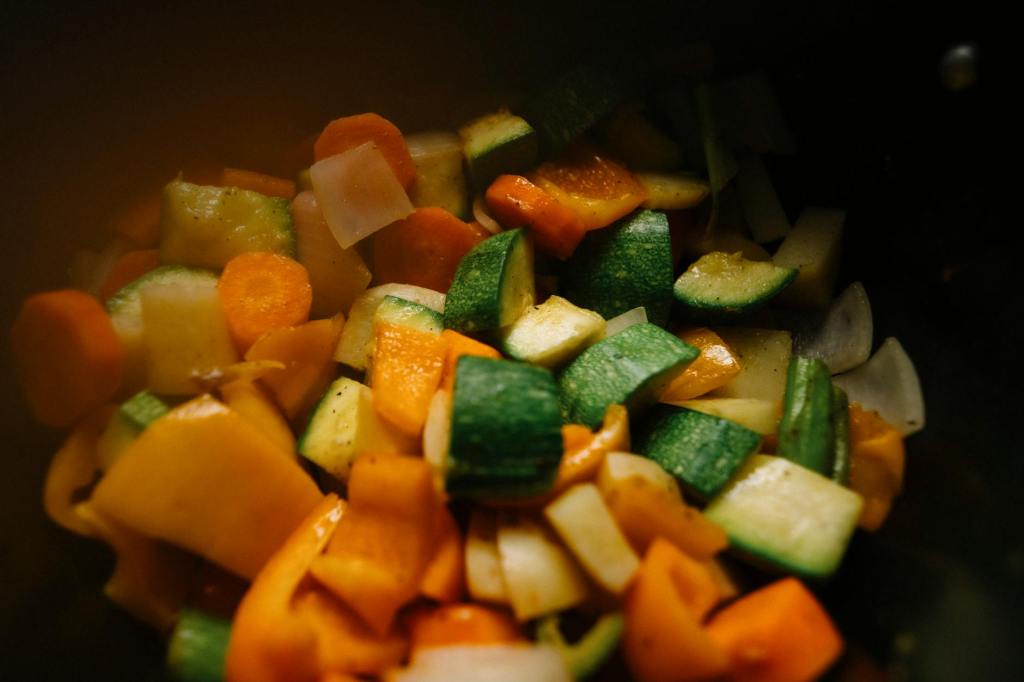
The conversation around health and wellness has increasingly focused on the role of diet in preventing chronic diseases. One of the most significant areas of interest is the impact of inflammation on our health. Chronic inflammation is linked to a variety of diseases, including heart disease, diabetes, and even certain cancers. Fortunately, the foods we eat can play a crucial role in managing inflammation. This article will explore the power of anti-inflammatory foods and provide a comprehensive guide to eating for chronic disease prevention.
Understanding Inflammation
Before diving into the specifics of anti-inflammatory foods, it’s essential to understand what inflammation is and how it affects our bodies. Inflammation is a natural response of the immune system to injury or infection. It helps the body heal and fight off pathogens. However, when inflammation becomes chronic, it can lead to a host of health problems.
Chronic inflammation can be triggered by various factors, including poor diet, lack of exercise, stress, and environmental toxins. Over time, this persistent inflammation can damage tissues and organs, leading to diseases such as:
- Heart disease
- Diabetes
- Arthritis
- Alzheimer’s disease
- Certain cancers
The Role of Diet in Inflammation
Diet plays a pivotal role in either promoting or reducing inflammation. Certain foods can exacerbate inflammation, while others can help combat it. Understanding which foods fall into these categories is crucial for anyone looking to improve their health and prevent chronic diseases.
Foods That Promote Inflammation
- Processed Foods: Foods high in refined sugars, unhealthy fats, and artificial additives can trigger inflammatory responses in the body. Examples include sugary snacks, fast food, and processed meats.
- Refined Carbohydrates: White bread, pastries, and other refined carbs can spike blood sugar levels, leading to inflammation.
- Trans Fats: Found in many fried and commercially baked products, trans fats are known to increase inflammation and the risk of heart disease.
- Excessive Alcohol: While moderate alcohol consumption may have some health benefits, excessive intake can lead to inflammation and other health issues.
- High-Sodium Foods: Diets high in salt can contribute to inflammation and increase the risk of hypertension and heart disease.
Anti-Inflammatory Foods
In contrast, a diet rich in anti-inflammatory foods can help reduce inflammation and lower the risk of chronic diseases. Here are some of the most powerful anti-inflammatory foods to incorporate into your diet:
1. Fruits and Vegetables
Fruits and vegetables are packed with antioxidants, vitamins, and minerals that help combat inflammation. Some of the best options include:
- Berries: Blueberries, strawberries, and raspberries are rich in antioxidants called flavonoids, which have anti-inflammatory properties.
- Leafy Greens: Spinach, kale, and Swiss chard are high in vitamins and minerals that help reduce inflammation.
- Cruciferous Vegetables: Broccoli, cauliflower, and Brussels sprouts contain compounds that may help lower inflammation.
2. Healthy Fats
Not all fats are created equal. Healthy fats, particularly omega-3 fatty acids, are known for their anti-inflammatory effects. Sources include:
- Fatty Fish: Salmon, mackerel, and sardines are rich in omega-3s, which can help reduce inflammation.
- Nuts and Seeds: Walnuts, chia seeds, and flaxseeds are excellent sources of healthy fats and antioxidants.
- Olive Oil: Extra virgin olive oil is a staple of the Mediterranean diet and is known for its anti-inflammatory properties.
3. Whole Grains
Whole grains are a great source of fiber, which can help reduce inflammation. Opt for:
- Quinoa: A complete protein that is also high in fiber and antioxidants.
- Brown Rice: A healthier alternative to white rice, brown rice is rich in nutrients and fiber.
- Oats: Oats contain beta-glucans, which have been shown to reduce inflammation.
4. Spices and Herbs
Many spices and herbs have potent anti-inflammatory properties. Incorporating these into your meals can enhance flavor and health benefits:
- Turmeric: Contains curcumin, a compound known for its powerful anti-inflammatory effects.
- Ginger: Has been shown to reduce inflammation and may help alleviate pain.
- Garlic: Contains sulfur compounds that can help reduce inflammation and boost the immune system.
5. Legumes
Beans, lentils, and chickpeas are excellent sources of protein and fiber, making them great additions to an anti-inflammatory diet. They help stabilize blood sugar levels and reduce inflammation.
6. Fermented Foods
Fermented foods are rich in probiotics, which can promote gut health and reduce inflammation. Some options include:
- Yogurt: Look for varieties with live and active cultures.
- Kefir: A fermented dairy product that is rich in probiotics.
- Sauerkraut and Kimchi: Fermented vegetables that provide beneficial bacteria for gut health.
Building an Anti-Inflammatory Meal Plan
Creating an anti-inflammatory meal plan doesn’t have to be complicated. Here’s a simple guide to help you get started:
Breakfast
- Overnight Oats: Combine rolled oats with almond milk, chia seeds, and berries for a nutritious breakfast.
- Smoothie: Blend spinach, banana, a scoop of protein powder, and a tablespoon of flaxseeds for a quick and healthy meal.
Lunch
- Quinoa Salad: Mix cooked quinoa with cherry tomatoes, cucumber, avocado, and a drizzle of olive oil and lemon juice.
- Lentil Soup: A hearty soup made with lentils, carrots, celery, and spices like turmeric and ginger.
Dinner
- Grilled Salmon: Serve with steamed broccoli and a side of brown rice.
- Stir-Fried Vegetables: Use a variety of colorful vegetables, tofu, and a splash of soy sauce or tamari for flavor.
Snacks
- Nuts: A handful of walnuts or almonds can provide a satisfying and healthy snack.
- Hummus and Veggies: Dip carrot sticks, cucumber slices, or bell pepper strips in hummus for a nutritious snack.
Lifestyle Factors to Consider
While diet is a crucial component of managing inflammation, it’s not the only factor. Here are some additional lifestyle changes that can help reduce inflammation:
Regular Exercise
Engaging in regular physical activity can help lower inflammation levels. Aim for at least 150 minutes of moderate aerobic exercise each week, along with strength training exercises on two or more days.
Stress Management
Chronic stress can contribute to inflammation. Incorporate stress-reducing practices into your routine, such as yoga, meditation, or deep-breathing exercises.
Quality Sleep
Getting enough restorative sleep is essential for overall health and can help reduce inflammation. Aim for 7-9 hours of quality sleep each night.
Hydration
Staying well-hydrated is vital for overall health. Aim to drink plenty of water throughout the day, and consider herbal teas that may have anti-inflammatory properties.
Conclusion
The power of anti-inflammatory foods cannot be overstated. By incorporating a variety of fruits, vegetables, healthy fats, whole grains, and spices into your diet, you can significantly reduce inflammation and lower your risk of chronic diseases. Remember that lifestyle factors such as exercise, stress management, and quality sleep also play a crucial role in maintaining a healthy inflammatory response.
As you embark on your journey toward better health, consider making small, sustainable changes to your diet and lifestyle. Over time, these changes can lead to significant improvements in your overall well-being and help you prevent chronic diseases.
By embracing the power of anti-inflammatory foods, you are taking a proactive step toward a healthier future.
 Nexus Revamp
Leave a comment