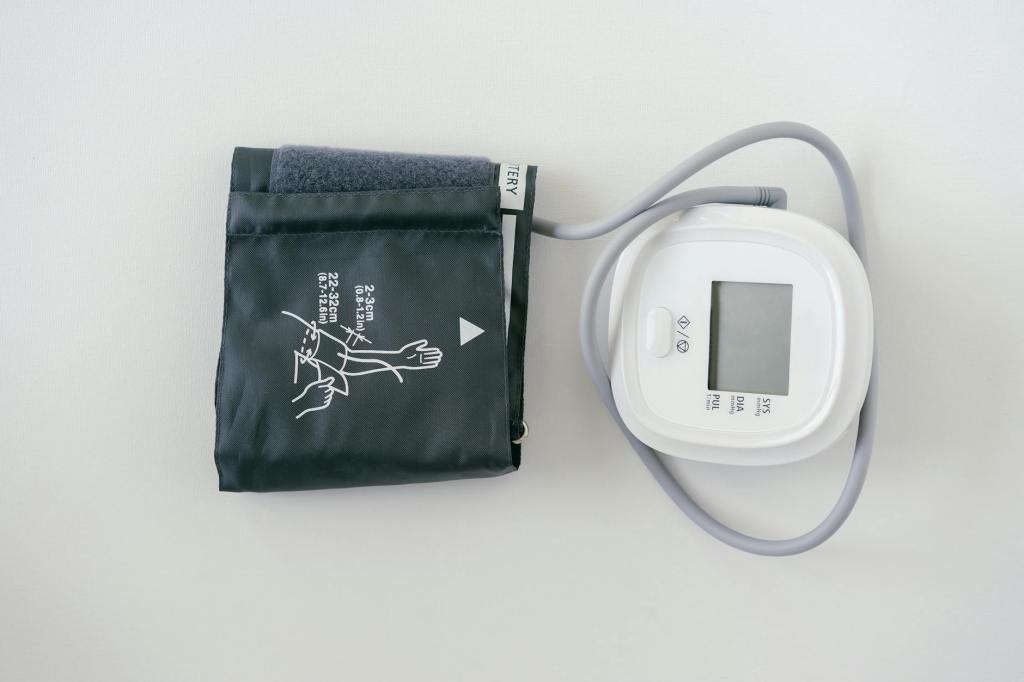
Discover effective hypertension tips and learn how a plant-based diet can naturally lower your blood pressure. Explore foods, lifestyle changes, and science-backed strategies for better heart health.
Introduction
Hypertension, commonly known as high blood pressure, is a silent killer that affects millions of people worldwide. It often goes unnoticed until it leads to serious health complications such as heart disease, stroke, and kidney failure. Fortunately, there are effective ways to manage and even lower blood pressure, and one of the most powerful tools at your disposal is your diet. In this article, we’ll explore how adopting a plant-based diet can significantly impact your blood pressure levels, along with practical tips to help you make the transition.
Understanding Hypertension
Before diving into the benefits of a plant-based diet, it’s essential to understand what hypertension is. Blood pressure is the force of blood pushing against the walls of your arteries. It’s measured in millimeters of mercury (mmHg) and is expressed with two numbers: systolic (the pressure when your heart beats) over diastolic (the pressure when your heart rests between beats). A normal blood pressure reading is typically around 120/80 mmHg. Hypertension is diagnosed when readings consistently exceed 130/80 mmHg.
The Risks of High Blood Pressure
High blood pressure can lead to a myriad of health issues, including:
- Heart Disease: Hypertension is a significant risk factor for heart attacks and heart failure.
- Stroke: Elevated blood pressure can cause blood vessels in the brain to burst or become blocked.
- Kidney Damage: High blood pressure can damage the blood vessels in the kidneys, leading to kidney disease.
- Vision Loss: Hypertension can damage the blood vessels in the eyes, leading to vision problems.
Given these risks, it’s crucial to take proactive steps to manage your blood pressure effectively.
The Power of a Plant-Based Diet
A plant-based diet focuses on whole, minimally processed foods derived from plants. This includes fruits, vegetables, whole grains, legumes, nuts, and seeds. Research has shown that a plant-based diet can be incredibly effective in lowering blood pressure. Here’s how:
1. Rich in Nutrients
Plant-based foods are packed with essential nutrients, including potassium, magnesium, and fiber, which are known to help regulate blood pressure. Potassium, in particular, helps balance sodium levels in the body, which can reduce tension in the blood vessel walls.
2. Low in Saturated Fats
Animal products, especially red and processed meats, are high in saturated fats, which can contribute to high cholesterol levels and increased blood pressure. A plant-based diet is naturally low in saturated fats, making it a heart-healthy choice.
3. High in Antioxidants
Fruits and vegetables are rich in antioxidants, which help combat oxidative stress and inflammation in the body. Chronic inflammation is linked to hypertension, so consuming a diet high in antioxidants can help mitigate this risk.
4. Weight Management
A plant-based diet can aid in weight loss and maintenance, which is crucial for managing blood pressure. Excess weight puts additional strain on the heart and blood vessels, leading to higher blood pressure levels.
5. Improved Gut Health
A diet rich in fiber from plant-based foods promotes a healthy gut microbiome. Emerging research suggests that gut health is closely linked to cardiovascular health, including blood pressure regulation.
Practical Tips for Transitioning to a Plant-Based Diet
Making the switch to a plant-based diet doesn’t have to be overwhelming. Here are some practical tips to help you get started:
Start Slow
If you’re used to a diet heavy in animal products, consider starting with small changes. Begin by incorporating more plant-based meals into your week. Try “Meatless Mondays” or replace one meal a day with a plant-based option.
Explore New Recipes
The world of plant-based cooking is vast and exciting. Explore new recipes that highlight the flavors and textures of fruits, vegetables, grains, and legumes. Websites, cookbooks, and social media platforms are filled with delicious plant-based recipes that can inspire you.
Focus on Whole Foods
When transitioning to a plant-based diet, prioritize whole foods over processed options. Whole foods are more nutrient-dense and can help you feel fuller for longer. Aim to fill your plate with colorful fruits and vegetables, whole grains, and legumes.
Experiment with Meat Alternatives
There are numerous plant-based meat alternatives available today, from lentil burgers to tofu and tempeh. These can be great substitutes for traditional meat dishes and can help ease the transition.
Plan Your Meals
Meal planning can be a game-changer when adopting a new diet. Take some time each week to plan your meals and snacks. This will help you stay on track and ensure you have plenty of healthy options available.
Stay Hydrated
Don’t forget the importance of hydration! Drinking plenty of water is essential for overall health and can help regulate blood pressure. Aim for at least eight glasses of water a day, and consider incorporating herbal teas for added benefits.
Monitor Your Progress
Keep track of your blood pressure readings as you transition to a plant-based diet. This will help you see the positive effects of your dietary changes and motivate you to stick with it.
Foods to Include in Your Plant-Based Diet
To maximize the blood pressure-lowering benefits of a plant-based diet, focus on incorporating the following foods:
Leafy Greens
Spinach, kale, collard greens, and Swiss chard are all excellent sources of potassium and magnesium, which can help lower blood pressure.
Berries
Blueberries, strawberries, and raspberries are rich in antioxidants and have been linked to improved heart health.
Beets
Beets are high in nitrates, which can help relax blood vessels and improve blood flow, leading to lower blood pressure.
Oats
Whole grain oats are a great source of soluble fiber, which can help reduce cholesterol levels and improve heart health.
Bananas
Bananas are a potassium powerhouse, making them an excellent choice for blood pressure management.
Beans and Lentils
These legumes are high in protein and fiber while being low in fat, making them a perfect addition to a heart-healthy diet.
Nuts and Seeds
Almonds, walnuts, chia seeds, and flaxseeds are rich in healthy fats and nutrients that support heart health.
Avocado
Avocados are packed with potassium and healthy fats, making them a delicious and nutritious addition to your meals.
Foods to Limit or Avoid
While a plant-based diet is generally healthy, there are still some foods you should limit or avoid to maximize your blood pressure-lowering efforts:
Processed Foods
Many processed foods are high in sodium, unhealthy fats, and added sugars, which can contribute to high blood pressure. Always check labels and opt for whole, unprocessed foods whenever possible.
Sugary Beverages
Sodas, energy drinks, and sweetened teas can lead to weight gain and increased blood pressure. Opt for water, herbal teas, or infused water instead.
Excessive Salt
While some sodium is necessary for bodily functions, excessive salt intake can lead to fluid retention and increased blood pressure. Try using herbs and spices to flavor your meals instead of salt.
Red and Processed Meats
These foods are high in saturated fats and sodium, both of which can negatively impact blood pressure. Limit your intake of red and processed meats as much as possible.
The Role of Exercise and Lifestyle Changes
While diet plays a crucial role in managing hypertension, it’s essential to remember that lifestyle changes can also have a significant impact. Regular physical activity, stress management, and adequate sleep are all vital components of a heart-healthy lifestyle.
Exercise
Aim for at least 150 minutes of moderate-intensity aerobic exercise each week. Activities like walking, cycling, swimming, or dancing can help lower blood pressure and improve overall cardiovascular health.
Stress Management
Chronic stress can contribute to high blood pressure. Incorporate stress-reducing practices into your daily routine, such as meditation, yoga, or deep breathing exercises.
Sleep
Aim for 7-9 hours of quality sleep each night. Poor sleep can negatively affect blood pressure and overall health.
Conclusion
Adopting a plant-based diet can be a powerful strategy for lowering blood pressure and improving overall health. By focusing on whole, nutrient-dense foods and making mindful lifestyle changes, you can take control of your blood pressure and reduce your risk of serious health complications. Remember, every small change counts, so start today and embrace the journey toward better health!
 Nexus Revamp
Leave a comment