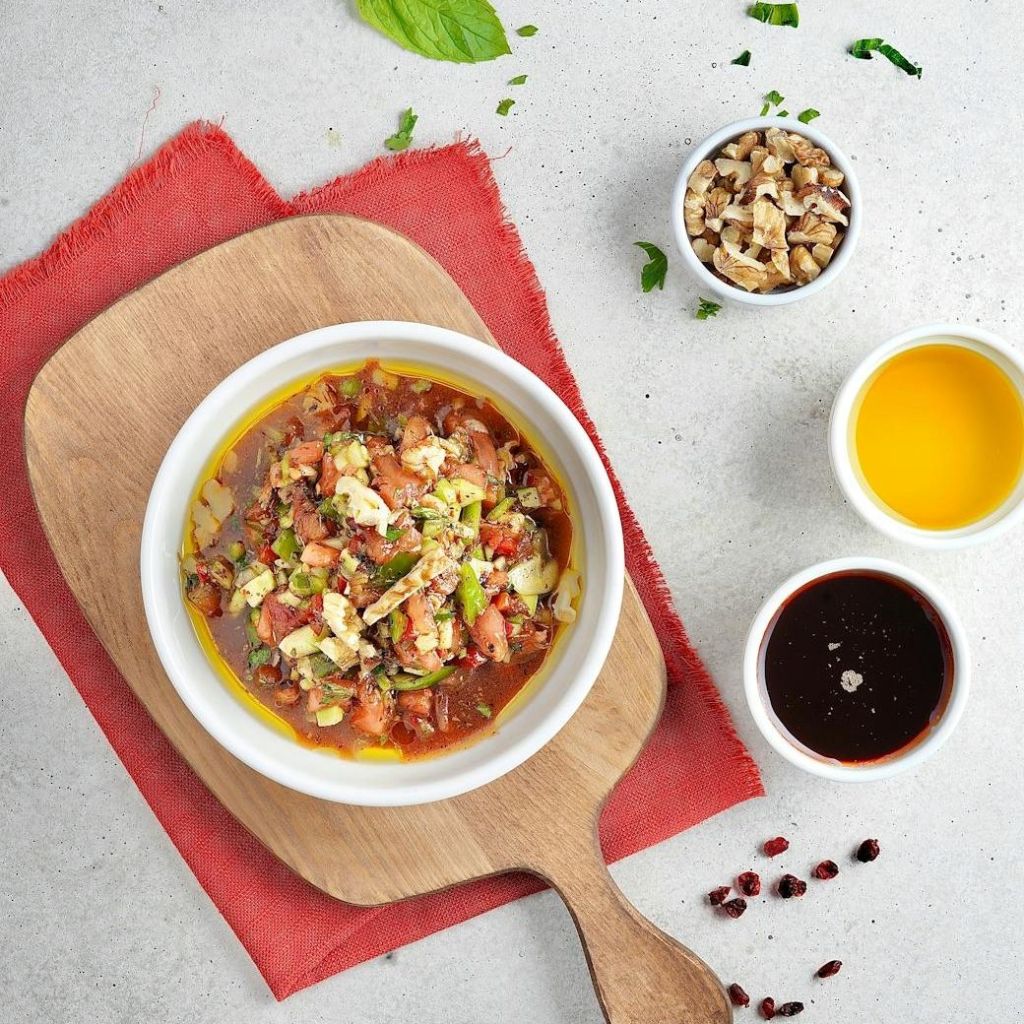
Discover effective tips and delicious foods that can help lower your blood pressure naturally. From leafy greens to berries, learn how to incorporate heart-healthy options into your diet for better health. Take control of your blood pressure with these simple dietary changes!
Introduction
High blood pressure, or hypertension, is often dubbed the “silent killer.” It can lead to serious health issues, including heart disease, stroke, and kidney problems. Fortunately, there are natural ways to manage and lower your blood pressure, and one of the most effective methods is through diet. In this article, we will explore various foods that can help lower your blood pressure naturally, along with practical tips to incorporate them into your daily routine.
Understanding High Blood Pressure
Before diving into dietary changes, it’s essential to understand what high blood pressure is. Blood pressure is the force of blood against the walls of your arteries. It is measured in millimeters of mercury (mmHg) and is expressed with two numbers: systolic (the pressure when your heart beats) over diastolic (the pressure when your heart rests between beats). A normal blood pressure reading is typically around 120/80 mmHg. Hypertension is generally defined as having a reading of 130/80 mmHg or higher.
The Importance of Diet in Managing Blood Pressure
Diet plays a crucial role in managing blood pressure. Certain foods can help lower blood pressure, while others can contribute to its increase. By making informed dietary choices, you can take control of your health and potentially reduce your reliance on medication.
Foods That Help Lower Blood Pressure
1. Leafy Greens
Leafy greens, such as spinach, kale, and Swiss chard, are rich in potassium, a mineral that helps balance sodium levels in the body. This balance is crucial because high sodium levels can lead to increased blood pressure. Incorporating more leafy greens into your diet can help lower your blood pressure naturally.
How to Include Leafy Greens:
- Add spinach to your morning smoothie.
- Use kale as a base for salads.
- Sauté Swiss chard with garlic and olive oil for a delicious side dish.
2. Berries
Berries, particularly blueberries, strawberries, and raspberries, are packed with antioxidants called flavonoids. Research has shown that these compounds can help lower blood pressure. The natural sweetness of berries makes them a perfect addition to your diet.
How to Include Berries:
- Top your yogurt or oatmeal with fresh berries.
- Blend them into smoothies.
- Enjoy them as a healthy snack.
3. Beets
Beets are rich in nitrates, which can help dilate blood vessels and improve blood flow, leading to lower blood pressure. Consuming beets can be a delicious way to support your cardiovascular health.
How to Include Beets:
- Roast beets and add them to salads.
- Drink beet juice for a refreshing beverage.
- Incorporate them into soups or stews.
4. Bananas
Bananas are another excellent source of potassium. They are easy to incorporate into your diet and make for a convenient snack. Eating bananas regularly can help you maintain healthy blood pressure levels.
How to Include Bananas:
- Enjoy them as a quick snack.
- Slice them onto your cereal or oatmeal.
- Blend them into smoothies for added creaminess.
5. Fatty Fish
Fatty fish, such as salmon, mackerel, and sardines, are rich in omega-3 fatty acids. These healthy fats have been shown to reduce inflammation and lower blood pressure. Including fatty fish in your diet can provide numerous health benefits.
How to Include Fatty Fish:
- Grill or bake salmon for a healthy dinner.
- Add canned sardines to salads or pasta dishes.
- Try mackerel on whole-grain toast for a nutritious snack.
6. Oats
Oats are a great source of soluble fiber, which can help lower cholesterol levels and improve heart health. Eating oats regularly can also contribute to lower blood pressure.
How to Include Oats:
- Start your day with a bowl of oatmeal topped with fruits and nuts.
- Use oats in smoothies for added fiber.
- Incorporate oats into baked goods like muffins or cookies.
7. Garlic
Garlic has been used for centuries for its medicinal properties. It contains allicin, a compound that can help relax blood vessels and improve blood flow. Adding garlic to your meals can enhance flavor while benefiting your health.
How to Include Garlic:
- Use fresh garlic in cooking for flavor.
- Add garlic powder to season dishes.
- Try roasted garlic spread on whole-grain bread.
8. Nuts and Seeds
Nuts and seeds, such as almonds, walnuts, flaxseeds, and chia seeds, are rich in healthy fats, fiber, and magnesium. These nutrients can help lower blood pressure and improve heart health.
How to Include Nuts and Seeds:
- Snack on a handful of nuts.
- Add seeds to smoothies or yogurt.
- Use nut butter on whole-grain toast or in smoothies.
9. Dark Chocolate
Yes, you read that right! Dark chocolate, in moderation, can be beneficial for your heart. It contains flavonoids that can help lower blood pressure. Choose dark chocolate with at least 70% cocoa for the best benefits.
How to Include Dark Chocolate:
- Enjoy a small piece of dark chocolate as a treat.
- Add cocoa powder to smoothies or oatmeal.
- Use dark chocolate chips in baking.
10. Whole Grains
Whole grains, such as brown rice, quinoa, and whole wheat bread, are high in fiber and can help lower blood pressure. They also provide essential nutrients that support overall health.
How to Include Whole Grains:
- Substitute white rice with brown rice or quinoa.
- Choose whole-grain bread for sandwiches.
- Use whole-grain pasta in your favorite dishes.
Lifestyle Tips for Lowering Blood Pressure
In addition to incorporating these foods into your diet, there are several lifestyle changes you can make to help lower your blood pressure naturally.
1. Stay Hydrated
Drinking enough water is essential for overall health and can help maintain healthy blood pressure levels. Aim for at least eight glasses of water a day, and more if you are active.
2. Limit Sodium Intake
Reducing your sodium intake is crucial for managing blood pressure. Aim for less than 2,300 mg of sodium per day, and ideally, limit it to 1,500 mg if you have high blood pressure. Read food labels and choose low-sodium options whenever possible.
3. Exercise Regularly
Regular physical activity can help lower blood pressure and improve heart health. Aim for at least 150 minutes of moderate-intensity exercise each week. Activities like walking, cycling, swimming, and dancing can be enjoyable ways to stay active.
4. Manage Stress
Chronic stress can contribute to high blood pressure. Finding healthy ways to manage stress, such as through meditation, yoga, or deep breathing exercises, can be beneficial.
5. Get Enough Sleep
Quality sleep is essential for overall health and can impact blood pressure. Aim for 7-9 hours of sleep each night. Establish a relaxing bedtime routine to improve your sleep quality.
6. Limit Alcohol Consumption
Excessive alcohol consumption can raise blood pressure. If you drink, do so in moderation. For women, this means up to one drink per day, and for men, up to two drinks per day.
7. Quit Smoking
If you smoke, quitting can significantly improve your heart health and lower your blood pressure. Seek support from healthcare professionals or support groups to help you quit.
Conclusion
Managing high blood pressure doesn’t have to be a daunting task. By incorporating these heart-healthy foods into your diet and making positive lifestyle changes, you can take control of your health and lower your blood pressure naturally. Remember, it’s essential to consult with your healthcare provider before making significant changes to your diet or lifestyle, especially if you have existing health conditions.
By prioritizing your health and making informed choices, you can enjoy a vibrant life while keeping your blood pressure in check. Start today by adding some of these delicious foods to your meals and embracing a healthier lifestyle. Your heart will thank you!
 Nexus Revamp
Leave a comment