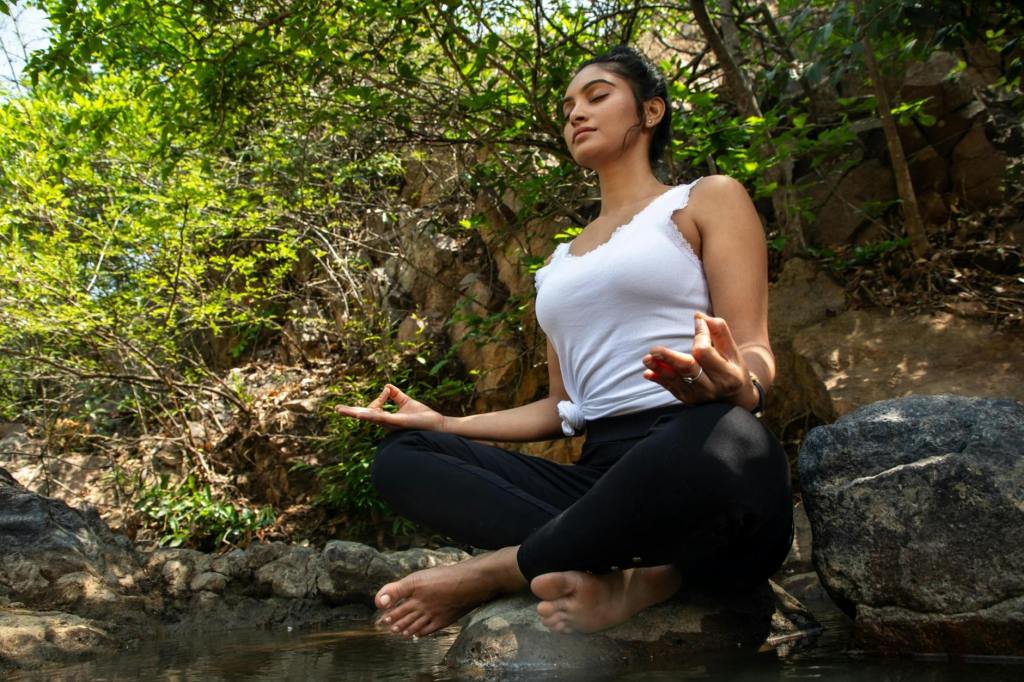
Discover effective yoga poses designed to enhance joint flexibility and alleviate arthritis symptoms. Our simple tips will guide you through gentle movements that promote relief and improve mobility. Embrace a healthier lifestyle with these easy-to-follow practices tailored for those with arthritis.
Introduction
Arthritis is a common condition that affects millions of people worldwide, causing pain, stiffness, and inflammation in the joints. While there is no cure for arthritis, there are various ways to manage its symptoms and improve your quality of life. One effective method is incorporating yoga into your daily routine. Yoga not only promotes physical flexibility but also enhances mental well-being, making it a holistic approach to managing arthritis. In this article, we will explore simple yoga poses that can help improve joint flexibility and provide tips for practicing yoga safely.

Understanding Arthritis
Before diving into yoga poses, it’s essential to understand what arthritis is. Arthritis is an umbrella term for over 100 different types of joint diseases, with osteoarthritis and rheumatoid arthritis being the most common. Osteoarthritis is a degenerative joint disease that occurs when the cartilage that cushions the joints wears down over time. Rheumatoid arthritis, on the other hand, is an autoimmune disorder that causes the immune system to attack the joints, leading to inflammation and pain.
Symptoms of Arthritis
Common symptoms of arthritis include:
- Joint pain and tenderness
- Stiffness, especially in the morning or after sitting for long periods
- Swelling and inflammation
- Reduced range of motion
- Fatigue
These symptoms can vary in intensity and may come and go, making it crucial to find effective management strategies.
The Benefits of Yoga for Arthritis
Yoga is a gentle form of exercise that focuses on stretching, strength, and mindfulness. Here are some benefits of practicing yoga for individuals with arthritis:
- Improved Flexibility: Yoga helps to stretch and strengthen the muscles around the joints, improving overall flexibility and reducing stiffness.
- Pain Relief: Gentle movements and stretches can alleviate pain and discomfort associated with arthritis.
- Enhanced Strength: Many yoga poses require the use of body weight, which can help build strength in the muscles that support the joints.
- Stress Reduction: Yoga incorporates breathing techniques and meditation, which can help reduce stress and promote relaxation.
- Better Balance: Practicing yoga can improve balance and coordination, reducing the risk of falls and injuries.
- Mind-Body Connection: Yoga encourages mindfulness, helping individuals become more aware of their bodies and how they move, which can lead to better self-care.
Simple Yoga Poses for Joint Flexibility
Now that we understand the benefits of yoga for arthritis, let’s explore some simple yoga poses that can help improve joint flexibility. Always consult with your healthcare provider before starting any new exercise program, especially if you have arthritis.
1. Cat-Cow Stretch (Marjaryasana-Bitilasana)
The Cat-Cow stretch is a gentle flow between two poses that warms up the spine and relieves tension in the back and neck.
How to do it:
- Start on your hands and knees in a tabletop position, with your wrists aligned under your shoulders and your knees under your hips.
- Inhale as you arch your back, dropping your belly towards the floor and lifting your head and tailbone towards the ceiling (Cow Pose).
- Exhale as you round your spine, tucking your chin to your chest and drawing your belly button towards your spine (Cat Pose).
- Repeat this flow for 5-10 breaths, moving slowly and mindfully.
2. Child’s Pose (Balasana)
Child’s Pose is a restorative pose that gently stretches the hips, thighs, and back, providing a calming effect.
How to do it:
- Start in a kneeling position with your big toes touching and knees apart.
- Sit back on your heels and extend your arms forward, lowering your forehead to the mat.
- Breathe deeply and hold the pose for 30 seconds to 1 minute, allowing your body to relax.
3. Seated Forward Bend (Paschimottanasana)
This pose stretches the spine, hamstrings, and calves, promoting flexibility in the lower body.
How to do it:
- Sit on the floor with your legs extended in front of you.
- Inhale and lengthen your spine, reaching your arms overhead.
- Exhale as you hinge at your hips and reach forward towards your feet, keeping your back straight.
- Hold the pose for 30 seconds to 1 minute, breathing deeply.
4. Warrior II (Virabhadrasana II)
Warrior II is a powerful pose that strengthens the legs and opens the hips, promoting stability and balance.
How to do it:
- Stand with your feet wide apart, turning your right foot out 90 degrees and your left foot slightly in.
- Bend your right knee, keeping it aligned over your ankle, and extend your arms parallel to the floor.
- Gaze over your right fingertips and hold the pose for 30 seconds to 1 minute.
- Repeat on the other side.
5. Bridge Pose (Setu Bandhasana)
Bridge Pose strengthens the back, glutes, and legs while opening the chest and shoulders.
How to do it:
- Lie on your back with your knees bent and feet hip-width apart, flat on the floor.
- Press your feet into the ground as you lift your hips towards the ceiling, keeping your shoulders and head on the mat.
- Hold the pose for 30 seconds to 1 minute, breathing deeply.
6. Reclined Bound Angle Pose (Supta Baddha Konasana)
This restorative pose opens the hips and groin, promoting relaxation and flexibility.
How to do it:
- Lie on your back and bring the soles of your feet together, allowing your knees to fall out to the sides.
- Place your hands on your belly or extend them out to the sides.
- Close your eyes and breathe deeply, holding the pose for 1-3 minutes.
7. Gentle Neck Stretches
Neck stretches can help relieve tension and stiffness in the neck and shoulders.
How to do it:
- Sit or stand comfortably with your spine straight.
- Gently tilt your head to the right, bringing your ear towards your shoulder. Hold for 15-30 seconds.
- Switch sides and repeat.
- You can also look left and right slowly to stretch the neck further.
Tips for Practicing Yoga Safely with Arthritis
While yoga can be beneficial for arthritis, it’s essential to practice safely to avoid injury. Here are some tips to keep in mind:
- Listen to Your Body: Pay attention to how your body feels during each pose. If you experience pain or discomfort, ease out of the pose or modify it.
- Use Props: Don’t hesitate to use props like yoga blocks, straps, or cushions to support your practice. They can help you achieve proper alignment and make poses more accessible.
- Modify Poses: If a pose feels too challenging, modify it to suit your comfort level. For example, you can perform a seated version of a pose instead of standing.
- Practice Regularly: Consistency is key to experiencing the benefits of yoga. Aim to practice a few times a week, even if it’s just for a short session.
- Stay Hydrated: Drink plenty of water before and after your practice to stay hydrated.
- Consider a Class: If you’re new to yoga, consider joining a class specifically designed for individuals with arthritis. A qualified instructor can provide guidance and modifications tailored to your needs.
- Consult Your Doctor: Always consult with your healthcare provider before starting a new exercise program, especially if you have any underlying health conditions.
Conclusion
Incorporating yoga into your routine can be a powerful tool for managing arthritis symptoms and improving joint flexibility. The gentle movements and mindful practices of yoga can help alleviate pain, reduce stiffness, and enhance overall well-being. Remember to listen to your body, practice safely, and enjoy the journey of self-discovery that yoga offers. With patience and consistency, you can find relief and improve your quality of life while living with arthritis.
By embracing these simple yoga poses and tips, you can take proactive steps towards better joint health and a more fulfilling life. Whether you’re a seasoned yogi or a complete beginner, there’s a place for you on the mat. So roll out your yoga mat, take a deep breath, and let the healing journey begin!
 Nexus Revamp
Leave a comment