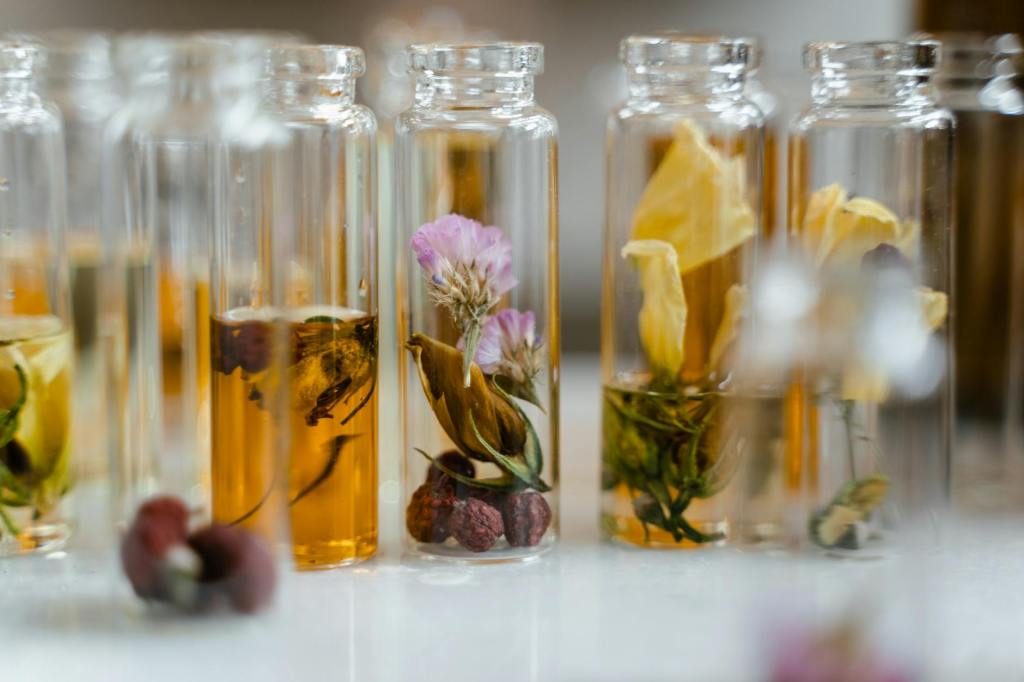
Discover effective tips for managing high blood pressure with the soothing power of essential oils. Learn how to incorporate relaxation techniques and natural remedies into your daily routine for better heart health and overall well-being.

Introduction
High blood pressure, or hypertension, is a common health issue that affects millions of people worldwide. It can lead to serious health complications if left unmanaged, including heart disease, stroke, and kidney problems. While lifestyle changes such as diet and exercise are crucial for managing blood pressure, many individuals are turning to natural remedies for additional support. One such remedy that has gained popularity is the use of essential oils. In this article, we will explore how essential oils can help with relaxation and relief from high blood pressure, along with practical tips for incorporating them into your daily routine.
Understanding High Blood Pressure
Before diving into the benefits of essential oils, it’s important to understand what high blood pressure is and how it affects the body. Blood pressure is the force of blood against the walls of your arteries. It is measured in millimeters of mercury (mmHg) and is expressed with two numbers: systolic (the pressure when your heart beats) over diastolic (the pressure when your heart rests between beats). A normal blood pressure reading is typically around 120/80 mmHg. Hypertension is generally defined as having a reading of 130/80 mmHg or higher.
Causes and Risk Factors
Several factors can contribute to high blood pressure, including:
- Genetics: A family history of hypertension can increase your risk.
- Diet: High salt intake, excessive alcohol consumption, and a diet low in fruits and vegetables can contribute to elevated blood pressure.
- Physical Inactivity: A sedentary lifestyle can lead to weight gain and increased blood pressure.
- Stress: Chronic stress can lead to temporary spikes in blood pressure and contribute to long-term hypertension.
- Age: Blood pressure tends to rise with age.
The Importance of Managing Blood Pressure
Managing high blood pressure is essential for maintaining overall health. Uncontrolled hypertension can lead to serious complications, including heart attacks, strokes, and kidney failure. Therefore, it’s crucial to adopt a comprehensive approach that includes lifestyle changes, regular monitoring, and, if necessary, medication.
The Role of Essential Oils in Managing High Blood Pressure
Essential oils are concentrated plant extracts that capture the natural fragrance and beneficial properties of the plant. They have been used for centuries in traditional medicine and aromatherapy for their therapeutic effects. Some essential oils are known for their calming and relaxing properties, which can be particularly beneficial for individuals dealing with high blood pressure.
How Essential Oils Work
Essential oils can influence the body in several ways:
- Aromatherapy: Inhaling essential oils can stimulate the olfactory system, which is linked to the brain’s limbic system, responsible for emotions and memory. This can lead to relaxation and stress relief.
- Topical Application: When diluted with a carrier oil and applied to the skin, essential oils can promote relaxation and improve circulation.
- Bathing: Adding essential oils to a warm bath can create a soothing environment that helps reduce stress and tension.
Top Essential Oils for High Blood Pressure Relief
Here are some essential oils that have been shown to help with relaxation and may aid in managing high blood pressure:
1. Lavender Essential Oil
Benefits: Lavender is one of the most popular essential oils for relaxation. Its calming properties can help reduce anxiety and promote better sleep, both of which are important for managing blood pressure.
How to Use: Add a few drops of lavender oil to your diffuser before bedtime or mix it with a carrier oil and apply it to your wrists and neck for a calming effect throughout the day.
2. Bergamot Essential Oil
Benefits: Bergamot oil is known for its uplifting and calming effects. It can help reduce stress and anxiety, which are significant contributors to high blood pressure.
How to Use: Diffuse bergamot oil in your home or add a few drops to your bath for a relaxing experience. You can also mix it with a carrier oil and use it for a soothing massage.
3. Ylang Ylang Essential Oil
Benefits: Ylang ylang has a sweet floral scent and is known for its ability to reduce stress and promote relaxation. Studies have shown that it can help lower blood pressure and heart rate.
How to Use: Use ylang ylang oil in a diffuser or mix it with a carrier oil for topical application. It can also be added to a warm bath for a calming soak.
4. Frankincense Essential Oil
Benefits: Frankincense is often used in meditation and spiritual practices due to its grounding properties. It can help reduce feelings of anxiety and promote a sense of peace.
How to Use: Diffuse frankincense oil during meditation or apply it topically to pulse points for a calming effect.
5. Clary Sage Essential Oil
Benefits: Clary sage is known for its ability to reduce stress and promote relaxation. It may also help balance hormones, which can be beneficial for overall health.
How to Use: Diffuse clary sage oil in your home or mix it with a carrier oil for a soothing massage.
6. Roman Chamomile Essential Oil
Benefits: Roman chamomile is known for its calming effects and can help reduce anxiety and promote restful sleep. It may also help lower blood pressure.
How to Use: Add a few drops of chamomile oil to your diffuser or mix it with a carrier oil for topical application.
Practical Tips for Using Essential Oils
Incorporating essential oils into your daily routine can be simple and enjoyable. Here are some practical tips to help you get started:
1. Create a Relaxation Routine
Establish a daily relaxation routine that includes the use of essential oils. This could involve diffusing calming oils in the evening, taking a warm bath with essential oils, or practicing deep breathing exercises while inhaling your favorite scents.
2. Use a Diffuser
Invest in a quality essential oil diffuser to disperse the oils into the air. This allows you to enjoy the benefits of aromatherapy throughout your home. Experiment with different blends to find what works best for you.
3. Make Your Own Massage Oil
Create a soothing massage oil by mixing a few drops of your chosen essential oil with a carrier oil, such as coconut or jojoba oil. Use this blend for self-massage or ask a partner to help you relax.
4. Incorporate Oils into Your Bath
Add a few drops of essential oil to your bathwater for a relaxing soak. Be sure to mix the oil with a carrier oil or Epsom salt to help it disperse in the water.
5. Practice Mindfulness and Meditation
Combine the use of essential oils with mindfulness practices or meditation. Inhale the calming scents while focusing on your breath to enhance relaxation and reduce stress.
6. Keep Oils Handy
Carry a small bottle of your favorite essential oil with you for on-the-go relaxation. You can apply a drop to your wrists or inhale the scent whenever you feel stressed.
Lifestyle Changes for Managing High Blood Pressure
While essential oils can be a helpful addition to your routine, it’s essential to remember that they are not a substitute for medical treatment or lifestyle changes. Here are some additional tips for managing high blood pressure:
1. Eat a Heart-Healthy Diet
Focus on a diet rich in fruits, vegetables, whole grains, lean proteins, and healthy fats. Limit your intake of salt, sugar, and processed foods.
2. Stay Active
Regular physical activity can help lower blood pressure and improve overall health. Aim for at least 150 minutes of moderate-intensity exercise each week.
3. Manage Stress
Incorporate stress-reducing activities into your daily routine, such as yoga, meditation, or deep breathing exercises. Finding healthy outlets for stress can significantly impact your blood pressure.
4. Limit Alcohol and Caffeine
Excessive alcohol and caffeine consumption can contribute to high blood pressure. Limit your intake and opt for healthier alternatives when possible.
5. Monitor Your Blood Pressure
Regularly check your blood pressure at home or during doctor visits. Keeping track of your numbers can help you identify patterns and make necessary adjustments to your lifestyle.
6. Consult Your Healthcare Provider
If you have high blood pressure, it’s essential to work with your healthcare provider to develop a comprehensive management plan. They can help you determine the best course of action, including medication if necessary.
Conclusion
High blood pressure is a serious health concern, but with the right approach, it can be managed effectively. Incorporating essential oils into your daily routine can provide relaxation and relief, helping to reduce stress and promote overall well-being. Remember to combine these natural remedies with healthy lifestyle changes and regular monitoring for the best results. Always consult with your healthcare provider before making significant changes to your health regimen, especially if you have existing medical conditions or are taking medication. By taking a holistic approach to managing high blood pressure, you can improve your quality of life and enjoy a healthier future.
 Nexus Revamp
Leave a comment