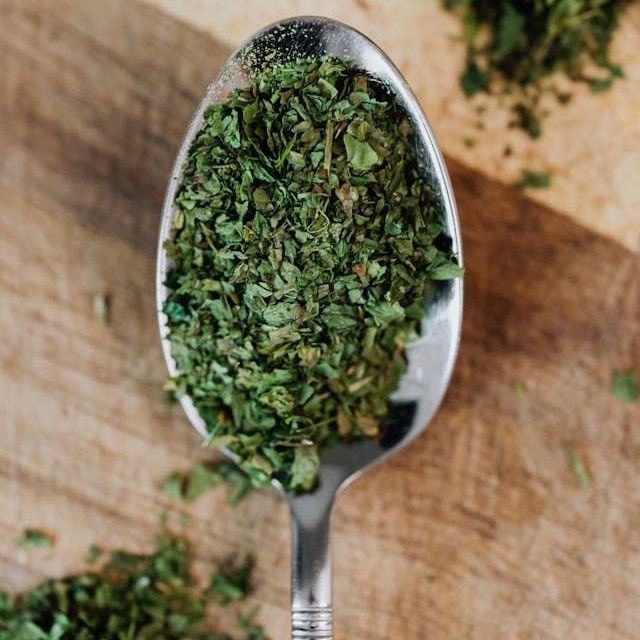
Oregano, a perennial herb belonging to the mint family (Lamiaceae), is widely recognized for its culinary uses and aromatic flavor. However, beyond its role in enhancing the taste of various dishes, oregano has garnered attention for its potential health benefits, particularly in the realm of digestive health. Among these benefits, its ulcer-healing properties stand out, making it a subject of interest for both researchers and health enthusiasts alike.

The Botanical Profile of Oregano
Oregano (Origanum vulgare) is native to Europe, but it has since spread to various parts of the world, including North America and Asia. The plant typically grows to a height of 20 to 80 centimeters and features small, oval leaves that are green to grayish-green in color. The flowers, which bloom in summer, are usually purple or white and attract a variety of pollinators.
Oregano is often confused with marjoram (Origanum majorana), another herb in the same family, but they have distinct flavors and uses. Oregano has a more robust and slightly bitter taste, while marjoram is sweeter and milder. The essential oil extracted from oregano is particularly potent and contains a variety of bioactive compounds that contribute to its health benefits.
Nutritional Profile
Oregano is not only flavorful but also packed with nutrients. It is a rich source of vitamins A, C, E, and K, as well as several B vitamins. Additionally, oregano contains minerals such as calcium, iron, magnesium, and potassium. The herb is also known for its high antioxidant content, which helps combat oxidative stress in the body.
The primary bioactive compounds in oregano include:
- Carvacrol: This phenolic compound is known for its antimicrobial and anti-inflammatory properties.
- Thymol: Another phenolic compound, thymol has been shown to have antifungal and antibacterial effects.
- Rosmarinic acid: This compound exhibits antioxidant and anti-inflammatory properties, contributing to the herb’s overall health benefits.

Understanding Ulcers
Before delving into the ulcer-healing benefits of oregano, it is essential to understand what ulcers are. An ulcer is a sore that develops on the lining of the stomach, small intestine, or large intestine. The most common type of ulcer is a peptic ulcer, which can be further classified into gastric ulcers (occurring in the stomach) and duodenal ulcers (occurring in the first part of the small intestine).
Ulcers can result from various factors, including:
- Helicobacter pylori infection: This bacterium is a leading cause of peptic ulcers, as it can damage the protective lining of the stomach and lead to inflammation.
- Long-term use of nonsteroidal anti-inflammatory drugs (NSAIDs): Medications like ibuprofen and aspirin can irritate the stomach lining and contribute to ulcer formation.
- Excessive alcohol consumption: Alcohol can erode the stomach lining and increase the risk of ulcers.
- Stress: While stress alone does not cause ulcers, it can exacerbate existing conditions and hinder the healing process.
Symptoms of ulcers may include abdominal pain, bloating, indigestion, and nausea. If left untreated, ulcers can lead to serious complications, such as bleeding, perforation, and gastric obstruction.
Oregano’s Role in Ulcer Healing
Research has indicated that oregano may play a beneficial role in the healing of ulcers due to its antimicrobial, anti-inflammatory, and antioxidant properties. Here are some ways in which oregano can contribute to ulcer healing:
1. Antimicrobial Activity
One of the most significant benefits of oregano is its ability to combat harmful bacteria, including Helicobacter pylori. Studies have shown that the essential oil of oregano, particularly its active compounds like carvacrol and thymol, can inhibit the growth of H. pylori. By reducing the bacterial load in the stomach, oregano may help alleviate ulcer symptoms and promote healing.
2. Anti-Inflammatory Properties
Chronic inflammation is a key factor in the development and persistence of ulcers. Oregano’s anti-inflammatory properties can help reduce inflammation in the stomach lining, promoting a healthier environment for healing. The presence of rosmarinic acid and other anti-inflammatory compounds in oregano contributes to this effect, potentially alleviating pain and discomfort associated with ulcers.
3. Antioxidant Effects
Oxidative stress can damage the cells lining the stomach and contribute to ulcer formation. Oregano is rich in antioxidants, which help neutralize free radicals and protect cells from oxidative damage. By reducing oxidative stress, oregano may support the healing process and prevent further damage to the stomach lining.
4. Gastroprotective Effects
Some studies suggest that oregano may have gastroprotective effects, meaning it can help protect the stomach lining from damage caused by various factors, including NSAIDs and alcohol. This protective effect can be particularly beneficial for individuals at risk of developing ulcers due to medication use or lifestyle choices.
How to Incorporate Oregano into Your Diet
Incorporating oregano into your diet is relatively easy, given its versatility in cooking. Here are some practical ways to enjoy this potent herb:
- Fresh Oregano: Use fresh oregano leaves in salads, pasta dishes, and marinades. The fresh leaves can also be added to soups and stews for added flavor.
- Dried Oregano: Dried oregano is a staple in Italian and Mediterranean cuisine. Sprinkle it on pizza, pasta, or roasted vegetables for a burst of flavor.
- Oregano Tea: Steep fresh or dried oregano leaves in hot water to make a soothing herbal tea. This can be particularly beneficial for digestive health.
- Oregano Oil: Oregano essential oil is highly concentrated and should be used with caution. It can be taken in small doses or diluted with a carrier oil for topical application. Always consult a healthcare professional before using essential oils for medicinal purposes.
Precautions and Considerations
While oregano is generally safe for most people when used in culinary amounts, there are some precautions to consider:
- Allergies: Some individuals may be allergic to oregano or other herbs in the mint family. If you experience any allergic reactions, discontinue use and consult a healthcare professional.
- Pregnancy and Breastfeeding: Pregnant and breastfeeding women should exercise caution when using oregano in medicinal amounts, as its effects during these periods are not well-studied.
- Medication Interactions: Oregano may interact with certain medications, particularly blood thinners and medications that affect blood sugar levels. If you are taking any medications, consult your healthcare provider before adding oregano supplements or essential oil to your routine.
Conclusion
Oregano is more than just a flavorful herb; it is a potent ally in promoting digestive health and healing ulcers. Its antimicrobial, anti-inflammatory, and antioxidant properties make it a valuable addition to a balanced diet. While more research is needed to fully understand the extent of oregano’s benefits, incorporating this herb into your meals can be a delicious and healthful choice.
As with any natural remedy, it is essential to approach oregano with mindfulness and consult healthcare professionals when necessary. By doing so, you can harness the healing potential of this remarkable herb while enjoying its culinary delights.
- The Arthritis Home Remedies Bible: 100 Natural Treatments For Lasting Relief : Alfred Okoko
- Rosemary: The Aromatic Herb That Supports Joint Health: Nexus RevampWhen you think of rosemary, what comes to mind? Perhaps it’s the fragrant herb that elevates your roasted chicken or the delightful aroma wafting through your kitchen as you prepare a hearty stew. While rosemary is often celebrated for its culinary uses, this aromatic herb has a rich history and a treasure trove of health… Read more: Rosemary: The Aromatic Herb That Supports Joint Health: Nexus Revamp
- Oregano: A Potent Herb with Ulcer-Healing Benefits: Nexus RevampOregano, a perennial herb belonging to the mint family (Lamiaceae), is widely recognized for its culinary uses and aromatic flavor. However, beyond its role in enhancing the taste of various dishes, oregano has garnered attention for its potential health benefits, particularly in the realm of digestive health. Among these benefits, its ulcer-healing properties stand out,… Read more: Oregano: A Potent Herb with Ulcer-Healing Benefits: Nexus Revamp
- The Antioxidant Power of Turmeric: A Golden Herb for Heart Health: Nexus RevampTurmeric, a vibrant yellow spice derived from the rhizome of the Curcuma longa plant, has been a staple in traditional medicine and culinary practices for centuries. Known for its distinctive flavor and color, turmeric is also celebrated for its numerous health benefits, particularly its potent antioxidant properties. Among its many advantages, turmeric has garnered attention… Read more: The Antioxidant Power of Turmeric: A Golden Herb for Heart Health: Nexus Revamp
- Warm Up to Wellness: The Healing Power of Heat for Arthritis: Nexus RevampDiscover the transformative benefits of heat therapy for arthritis relief in “Warm Up to Wellness.” Explore how warmth can soothe pain, improve mobility, and enhance overall well-being. Learn practical tips and techniques to incorporate heat into your daily routine for effective arthritis management. Introduction Arthritis is a condition that affects millions of people worldwide, causing… Read more: Warm Up to Wellness: The Healing Power of Heat for Arthritis: Nexus Revamp
 Nexus Revamp
Leave a comment