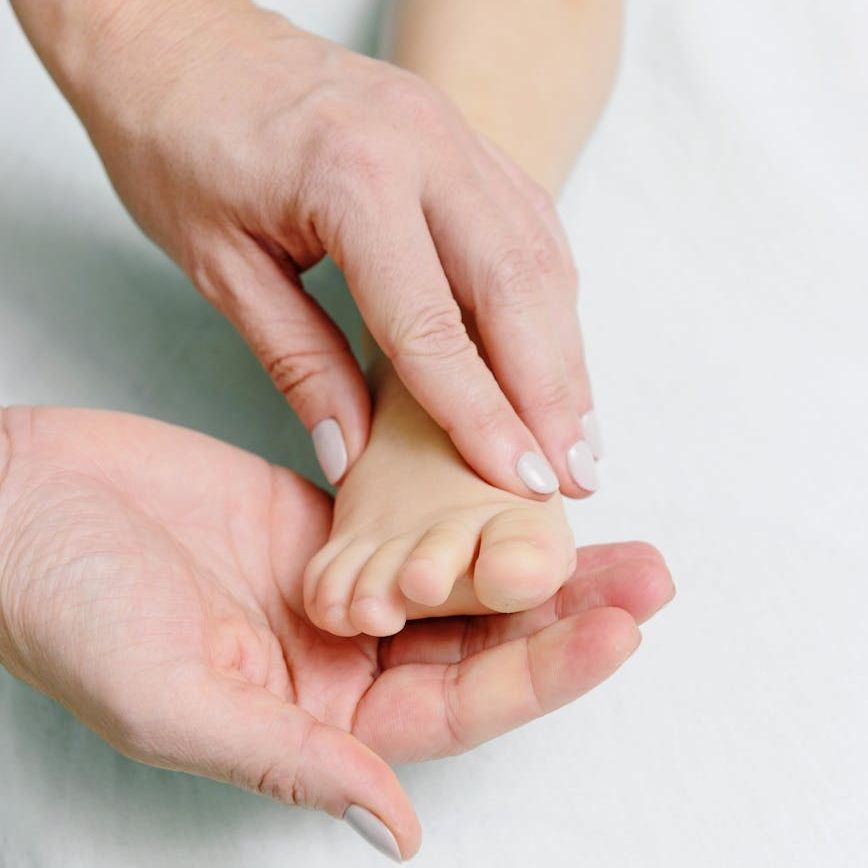
Heat and cold therapy, also known as thermotherapy and cryotherapy, has been used for centuries to relieve pain, reduce inflammation, and promote healing. Whether you’re an athlete recovering from intense workouts, someone suffering from chronic pain, or simply looking for natural remedies to improve circulation and mobility, heat and cold therapy can provide significant relief.
This comprehensive guide will help you understand the science behind heat and cold therapy, how to use each method effectively, and when to apply them for maximum benefits.
Understanding Heat and Cold Therapy
Both heat and cold therapy work by manipulating blood flow, inflammation, and nerve signaling to influence how the body perceives and manages pain.
- Heat Therapy (Thermotherapy): Involves the application of warmth to relax muscles, increase blood circulation, and improve flexibility.
- Cold Therapy (Cryotherapy): Involves the application of cold to numb pain, reduce inflammation, and decrease swelling.
While both have therapeutic effects, choosing the right one depends on the condition being treated.
The Benefits of Heat Therapy
Heat therapy is ideal for chronic pain, muscle stiffness, and stress relief. By increasing circulation and relaxing tight muscles, heat promotes faster recovery and enhances mobility.
1. How Heat Therapy Works
Heat increases blood flow to an area by dilating blood vessels, which delivers oxygen and nutrients to tissues, helping them heal faster. It also reduces muscle tension and stimulates sensory receptors in the skin, decreasing the perception of pain.
2. Types of Heat Therapy
- Dry Heat (Conductive Heat)
- Heating pads
- Heat lamps
- Electric blankets
- Moist Heat (Convective Heat)
- Warm baths
- Steam towels
- Hot water bottles
- Deep Heat Therapy
- Ultrasound therapy
- Infrared saunas
3. Benefits of Heat Therapy
- Relieves muscle stiffness and joint pain
- Reduces stress and promotes relaxation
- Improves flexibility and mobility
- Speeds up the healing process for chronic injuries
- Enhances circulation to promote tissue repair
4. When to Use Heat Therapy
- Chronic pain conditions like arthritis and fibromyalgia
- Stiff or tight muscles after a workout
- Stress-related tension in the neck and shoulders
- Menstrual cramps
- Lower back pain
5. How to Apply Heat Therapy Safely
- Use moderate heat (between 100°F and 110°F) to avoid burns.
- Apply heat for 15–30 minutes at a time.
- Avoid heat therapy on open wounds or areas with poor circulation.
- If the skin becomes red or irritated, stop immediately.
The Benefits of Cold Therapy
Cold therapy is highly effective for reducing inflammation, numbing pain, and preventing further tissue damage in acute injuries.
1. How Cold Therapy Works
Cold restricts blood flow by constricting blood vessels (vasoconstriction), which reduces swelling and inflammation. It also numbs nerve endings, providing instant pain relief.
2. Types of Cold Therapy
- Ice Packs and Cold Compresses
- Gel ice packs
- Frozen vegetables wrapped in a towel
- DIY ice pack (crushed ice in a plastic bag)
- Cold Water Immersion
- Ice baths
- Cold showers
- Cryotherapy chambers
- Topical Cooling Products
- Cooling gels and creams
- Menthol-based pain relievers
3. Benefits of Cold Therapy
- Reduces inflammation and swelling
- Numbs pain by slowing nerve impulses
- Prevents muscle soreness after workouts
- Helps manage headaches and migraines
- Speeds up post-injury recovery
4. When to Use Cold Therapy
- Acute injuries (sprains, strains, bruises)
- Swelling and inflammation
- Post-workout muscle soreness
- Tendonitis or bursitis
- Migraines and headaches
5. How to Apply Cold Therapy Safely
- Use a cloth or towel between your skin and the ice pack.
- Apply for 15–20 minutes at a time, with breaks in between.
- Avoid using cold therapy on open wounds or areas with nerve damage.
- If you experience numbness or excessive skin redness, stop immediately.
Heat vs. Cold Therapy: How to Choose the Right One
Choosing between heat and cold therapy depends on the type of pain or injury you’re experiencing. Here’s a simple guide:
If unsure, alternating between heat and cold (contrast therapy) can be effective in some cases, such as sports recovery.
The Science Behind Contrast Therapy
Contrast therapy alternates between hot and cold treatments to stimulate circulation, reduce muscle fatigue, and enhance recovery. It’s commonly used by athletes and individuals dealing with chronic pain.
How to Perform Contrast Therapy
- Start with Cold Therapy: Apply an ice pack or take a cold shower for 5 minutes.
- Switch to Heat Therapy: Use a heating pad or warm bath for 10 minutes.
- Repeat the Cycle: Alternate between cold and heat for 2–3 rounds.
Contrast therapy is beneficial for:
- Reducing muscle soreness after intense exercise
- Boosting circulation for faster healing
- Managing joint pain in arthritis patients
Best Practices for Using Heat and Cold Therapy
- Listen to Your Body: If one therapy worsens your symptoms, switch to the other.
- Don’t Overuse: Excessive heat can lead to burns, and prolonged cold exposure can cause frostbite.
- Combine with Other Treatments: Use heat and cold therapy alongside stretching, massage, and physical therapy for optimal results.
- Hydrate Well: Staying hydrated supports circulation and muscle function.
Common Myths About Heat and Cold Therapy
Myth 1: Heat is Always Better for Pain Relief
Truth: Heat is great for muscle tension but can make inflammation worse in acute injuries.
Myth 2: Cold Therapy Should Be Used Only for Injuries
Truth: Cold therapy is effective for migraines, post-workout recovery, and even weight loss through cryotherapy.
Myth 3: You Should Use Ice Immediately After Any Injury
Truth: While ice helps with swelling, overusing it can delay healing by restricting blood flow too much.
Myth 4: The Hotter or Colder, the Better
Truth: Extreme temperatures can cause skin damage. Always use moderate temperatures and protective layers.
Final Thoughts
Heat and cold therapy are powerful, natural ways to manage pain, reduce inflammation, and promote healing. By understanding when and how to use them correctly, you can enhance your recovery process, whether dealing with sports injuries, chronic pain, or everyday muscle tension.
Experiment with different techniques, listen to your body, and combine these therapies with a healthy lifestyle for the best results.
Have you tried heat or cold therapy? Share your experience in the comments below!
- The Arthritis Home Remedies Bible: 100 Natural Treatments For Lasting Relief : Alfred Okoko
- Rosemary: The Aromatic Herb That Supports Joint Health: Nexus RevampWhen you think of rosemary, what comes to mind? Perhaps it’s the fragrant herb that elevates your roasted chicken or the delightful aroma wafting through your kitchen as you prepare a hearty stew. While rosemary is often celebrated for its culinary uses, this aromatic herb has a rich history and a treasure trove of health… Read more: Rosemary: The Aromatic Herb That Supports Joint Health: Nexus Revamp
- Oregano: A Potent Herb with Ulcer-Healing Benefits: Nexus RevampOregano, a perennial herb belonging to the mint family (Lamiaceae), is widely recognized for its culinary uses and aromatic flavor. However, beyond its role in enhancing the taste of various dishes, oregano has garnered attention for its potential health benefits, particularly in the realm of digestive health. Among these benefits, its ulcer-healing properties stand out,… Read more: Oregano: A Potent Herb with Ulcer-Healing Benefits: Nexus Revamp
- The Antioxidant Power of Turmeric: A Golden Herb for Heart Health: Nexus RevampTurmeric, a vibrant yellow spice derived from the rhizome of the Curcuma longa plant, has been a staple in traditional medicine and culinary practices for centuries. Known for its distinctive flavor and color, turmeric is also celebrated for its numerous health benefits, particularly its potent antioxidant properties. Among its many advantages, turmeric has garnered attention… Read more: The Antioxidant Power of Turmeric: A Golden Herb for Heart Health: Nexus Revamp
- Warm Up to Wellness: The Healing Power of Heat for Arthritis: Nexus RevampDiscover the transformative benefits of heat therapy for arthritis relief in “Warm Up to Wellness.” Explore how warmth can soothe pain, improve mobility, and enhance overall well-being. Learn practical tips and techniques to incorporate heat into your daily routine for effective arthritis management. Introduction Arthritis is a condition that affects millions of people worldwide, causing… Read more: Warm Up to Wellness: The Healing Power of Heat for Arthritis: Nexus Revamp
 Nexus Revamp
Leave a comment