
Discover how anti-inflammatory foods can help ease joint pain and improve mobility. Get expert tips on managing arthritis naturally with the right diet and lifestyle changes.
Introduction
Arthritis is a common condition that affects millions of people worldwide, causing pain, stiffness, and swelling in the joints. While there are various treatments available, many individuals are turning to dietary changes as a natural way to manage their symptoms. One of the most effective strategies is incorporating anti-inflammatory foods into your diet. In this article, we’ll explore how these foods can help ease joint pain and improve your overall well-being.

Check ✅ From Pain to Power: Healing Osteoarthritis Naturally
Understanding Arthritis and Inflammation
Before diving into the world of anti-inflammatory foods, it’s essential to understand what arthritis is and how inflammation plays a role in this condition. Arthritis is an umbrella term for over 100 different types of joint diseases, with osteoarthritis and rheumatoid arthritis being the most common. Both conditions involve inflammation, which is the body’s natural response to injury or infection. However, in arthritis, this inflammation becomes chronic, leading to pain and damage to the joints.
The Role of Diet in Managing Arthritis
While medications and physical therapy are often necessary for managing arthritis, diet can play a crucial role in reducing inflammation and alleviating symptoms. Research has shown that certain foods can either promote inflammation or help combat it. By focusing on anti-inflammatory foods, you can create a diet that supports joint health and overall wellness.
What Are Anti-Inflammatory Foods?
Anti-inflammatory foods are those that help reduce inflammation in the body. They are typically rich in antioxidants, vitamins, and minerals, which can help combat oxidative stress and promote healing. Here are some key categories of anti-inflammatory foods to consider incorporating into your diet:
1. Fatty Fish
Fatty fish, such as salmon, mackerel, sardines, and trout, are excellent sources of omega-3 fatty acids. These healthy fats have been shown to reduce inflammation and may help alleviate joint pain. Omega-3s work by inhibiting the production of inflammatory substances in the body. Aim to include fatty fish in your diet at least twice a week for optimal benefits.
2. Fruits and Vegetables
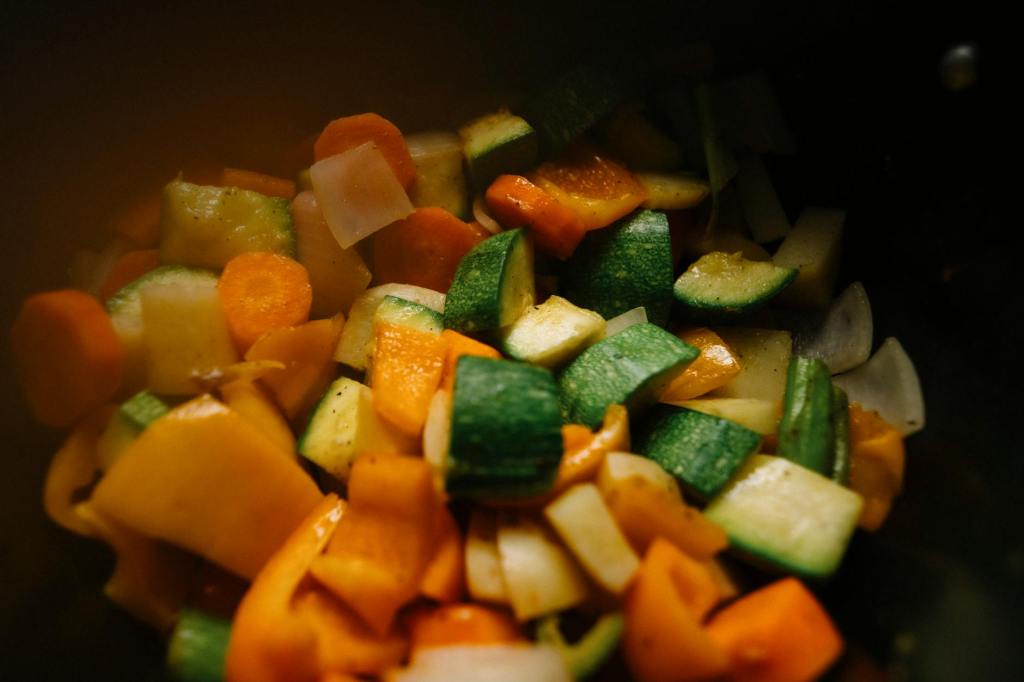
Fruits and vegetables are packed with vitamins, minerals, and antioxidants that can help fight inflammation. Berries, cherries, spinach, kale, and broccoli are particularly beneficial. Berries, for example, are rich in anthocyanins, which have been shown to reduce inflammatory markers in the body. Aim to fill half your plate with colorful fruits and vegetables at every meal.
3. Nuts and Seeds
Nuts and seeds, such as walnuts, almonds, chia seeds, and flaxseeds, are excellent sources of healthy fats, protein, and fiber. They also contain antioxidants and anti-inflammatory compounds. Walnuts, in particular, are high in omega-3 fatty acids, making them a great addition to an anti-inflammatory diet. A small handful of nuts or a sprinkle of seeds can easily enhance your meals and snacks.
4. Whole Grains
Whole grains, such as brown rice, quinoa, and whole wheat bread, are rich in fiber and nutrients. They can help reduce inflammation and improve gut health, which is essential for overall well-being. Unlike refined grains, whole grains retain their bran and germ, providing more nutrients and fiber. Aim to make at least half of your grain intake whole grains.
5. Olive Oil
Extra virgin olive oil is a staple of the Mediterranean diet and is known for its anti-inflammatory properties. It contains oleocanthal, a compound that has been shown to have effects similar to non-steroidal anti-inflammatory drugs (NSAIDs). Use olive oil as your primary cooking oil and drizzle it over salads and vegetables for added flavor and health benefits.
6. Spices and Herbs
Certain spices and herbs, such as turmeric, ginger, garlic, and cinnamon, have powerful anti-inflammatory properties. Turmeric, in particular, contains curcumin, a compound that has been extensively studied for its anti-inflammatory effects. Incorporating these spices into your cooking can not only enhance the flavor of your meals but also provide significant health benefits.
7. Legumes
Legumes, including beans, lentils, and chickpeas, are excellent sources of protein, fiber, and antioxidants. They can help reduce inflammation and improve heart health. Incorporating legumes into your diet can also help you feel fuller for longer, making them a great addition to weight management strategies.
Creating an Anti-Inflammatory Meal Plan
Now that you know which foods to include in your diet, let’s discuss how to create an anti-inflammatory meal plan. Here’s a simple guide to help you get started:
Breakfast
Start your day with a nutritious breakfast that includes anti-inflammatory foods. Consider oatmeal topped with berries and a sprinkle of chia seeds or a smoothie made with spinach, banana, and almond milk. You can also enjoy scrambled eggs with sautéed vegetables and a slice of whole-grain toast drizzled with olive oil.
Lunch
For lunch, opt for a colorful salad filled with leafy greens, cherry tomatoes, cucumbers, and a protein source like grilled chicken or chickpeas. Drizzle with olive oil and lemon juice for a refreshing dressing. Alternatively, a quinoa bowl with roasted vegetables and a handful of nuts can be both satisfying and nutritious.
Dinner
Dinner can feature a serving of fatty fish, such as baked salmon, alongside steamed broccoli and quinoa. You can also prepare a hearty vegetable stir-fry with tofu or shrimp, seasoned with garlic and ginger. Don’t forget to include a side of whole-grain bread or brown rice to round out your meal.
Snacks
Healthy snacks can help keep your energy levels up throughout the day. Consider snacking on a handful of nuts, a piece of fruit, or carrot sticks with hummus. You can also enjoy yogurt topped with berries and a sprinkle of cinnamon for a delicious and nutritious treat.
Lifestyle Tips for Managing Arthritis
In addition to dietary changes, there are several lifestyle tips that can help you manage arthritis and reduce inflammation:
Stay Active
Regular physical activity is essential for maintaining joint health and reducing stiffness. Low-impact exercises, such as swimming, walking, and cycling, can help improve flexibility and strength without putting too much strain on your joints. Aim for at least 150 minutes of moderate exercise each week.
Maintain a Healthy Weight
Excess weight can put additional stress on your joints, particularly in the knees and hips. Maintaining a healthy weight through a balanced diet and regular exercise can help alleviate joint pain and improve mobility.
Stay Hydrated
Drinking plenty of water is crucial for overall health and can help keep your joints lubricated. Aim to drink at least eight glasses of water a day, and consider herbal teas or infused water for added flavor.
Manage Stress
Chronic stress can contribute to inflammation in the body. Incorporating stress-reducing practices, such as yoga, meditation, or deep breathing exercises, can help improve your overall well-being and reduce joint pain.
Get Enough Sleep
Quality sleep is essential for healing and recovery. Aim for 7-9 hours of sleep each night, and establish a relaxing bedtime routine to help improve your sleep quality.
Conclusion
Incorporating anti-inflammatory foods into your diet can be a powerful way to manage arthritis and ease joint pain. By focusing on whole, nutrient-dense foods and adopting a healthy lifestyle, you can take control of your health and improve your quality of life. Remember, it’s always a good idea to consult with a healthcare professional or a registered dietitian before making significant changes to your diet or lifestyle.
Embrace the journey towards better health, and let food be your ally in the fight against arthritis!
- The Arthritis Home Remedies Bible: 100 Natural Treatments For Lasting Relief : Alfred Okoko
- Rosemary: The Aromatic Herb That Supports Joint Health: Nexus RevampWhen you think of rosemary, what comes to mind? Perhaps it’s the fragrant herb that elevates your roasted chicken or the delightful aroma wafting through your kitchen as you prepare a hearty stew. While rosemary is often celebrated for its culinary uses, this aromatic herb has a rich history and a treasure trove of health… Read more: Rosemary: The Aromatic Herb That Supports Joint Health: Nexus Revamp
- Oregano: A Potent Herb with Ulcer-Healing Benefits: Nexus RevampOregano, a perennial herb belonging to the mint family (Lamiaceae), is widely recognized for its culinary uses and aromatic flavor. However, beyond its role in enhancing the taste of various dishes, oregano has garnered attention for its potential health benefits, particularly in the realm of digestive health. Among these benefits, its ulcer-healing properties stand out,… Read more: Oregano: A Potent Herb with Ulcer-Healing Benefits: Nexus Revamp
- The Antioxidant Power of Turmeric: A Golden Herb for Heart Health: Nexus RevampTurmeric, a vibrant yellow spice derived from the rhizome of the Curcuma longa plant, has been a staple in traditional medicine and culinary practices for centuries. Known for its distinctive flavor and color, turmeric is also celebrated for its numerous health benefits, particularly its potent antioxidant properties. Among its many advantages, turmeric has garnered attention… Read more: The Antioxidant Power of Turmeric: A Golden Herb for Heart Health: Nexus Revamp
- Warm Up to Wellness: The Healing Power of Heat for Arthritis: Nexus RevampDiscover the transformative benefits of heat therapy for arthritis relief in “Warm Up to Wellness.” Explore how warmth can soothe pain, improve mobility, and enhance overall well-being. Learn practical tips and techniques to incorporate heat into your daily routine for effective arthritis management. Introduction Arthritis is a condition that affects millions of people worldwide, causing… Read more: Warm Up to Wellness: The Healing Power of Heat for Arthritis: Nexus Revamp
 Nexus Revamp
Leave a comment