
Discover effective natural remedies and lifestyle changes in ‘The Ultimate Guide to Healing Peptic Ulcers Naturally.’ Learn about dietary adjustments, herbal treatments, and holistic practices to promote healing and alleviate symptoms. Empower yourself with knowledge for a healthier gut and improved well-being.
Introduction
Peptic ulcers are more than just a medical term; they represent a painful reality for millions of people worldwide. If you or someone you know has been diagnosed with a peptic ulcer, you may be searching for ways to alleviate the discomfort and promote healing. In this comprehensive guide, we will explore natural remedies, lifestyle changes, and dietary adjustments that can help you heal peptic ulcers effectively.
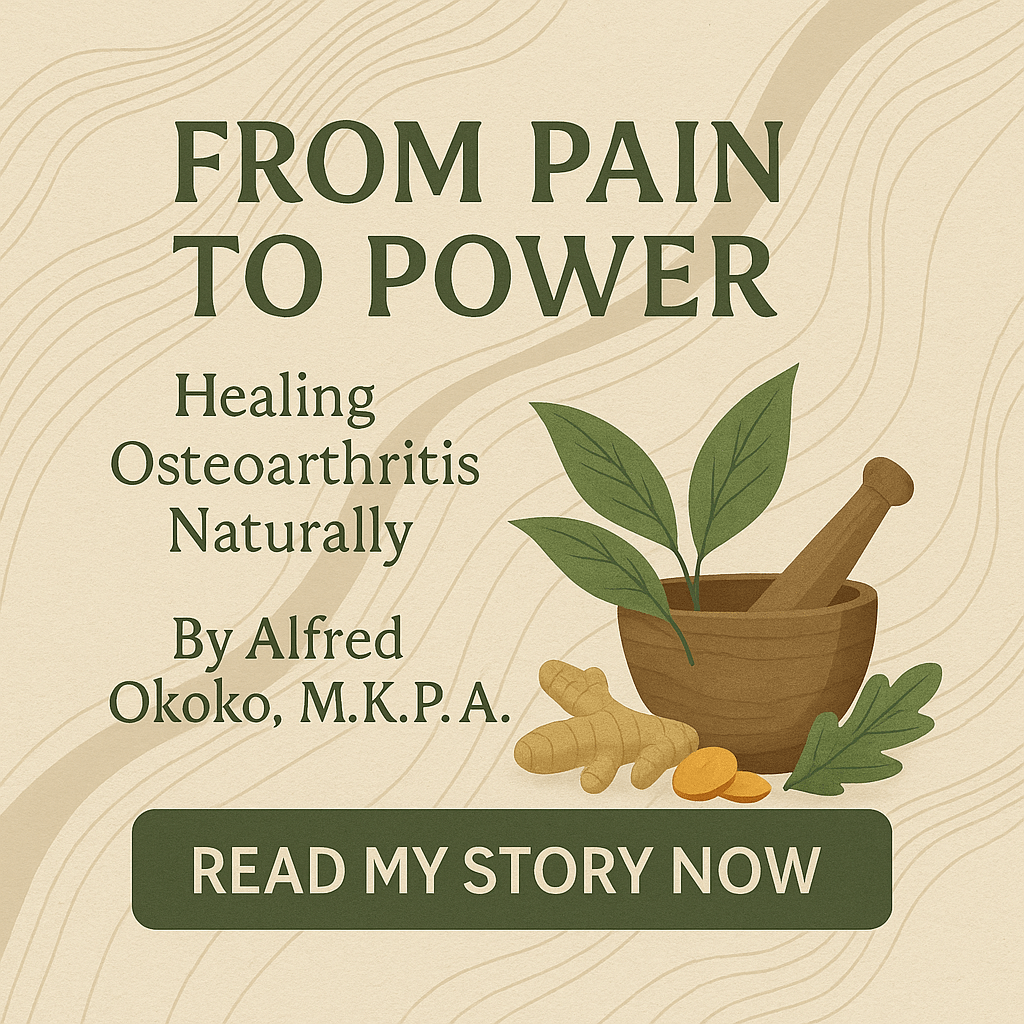
Check ✅From Pain to Power: Healing Osteoarthritis Naturally
Understanding Peptic Ulcers
Before diving into natural healing methods, it’s essential to understand what peptic ulcers are. Peptic ulcers are open sores that develop on the lining of the stomach, small intestine, or esophagus. They can cause a range of symptoms, including:
- Abdominal pain or discomfort
- Bloating
- Nausea
- Indigestion
- Heartburn
The most common causes of peptic ulcers include:
- Helicobacter pylori (H. pylori) infection: This bacterium is a significant contributor to ulcer formation.
- Long-term use of nonsteroidal anti-inflammatory drugs (NSAIDs): Medications like ibuprofen and aspirin can irritate the stomach lining.
- Excessive alcohol consumption: Alcohol can erode the stomach lining and increase acid production.
- Stress: While stress alone doesn’t cause ulcers, it can exacerbate symptoms and hinder healing.
The Importance of Natural Healing
While conventional medicine often prescribes medications to treat peptic ulcers, many individuals are seeking natural alternatives. Natural healing methods can complement medical treatments, reduce side effects, and promote overall well-being. Here’s how you can embark on a journey to heal your peptic ulcer naturally.
1. Dietary Adjustments
a. Embrace a Balanced Diet
A well-balanced diet is crucial for healing peptic ulcers. Focus on whole, unprocessed foods that are rich in nutrients. Incorporate the following foods into your diet:
- Fruits and Vegetables: These are packed with vitamins, minerals, and antioxidants. Foods like bananas, apples, carrots, and leafy greens can help soothe the stomach lining.
- Whole Grains: Oats, brown rice, and whole wheat bread provide fiber and essential nutrients that support digestive health.
- Lean Proteins: Chicken, turkey, fish, and legumes are excellent sources of protein that can aid in tissue repair.
b. Avoid Trigger Foods
Certain foods can irritate the stomach lining and exacerbate ulcer symptoms. It’s essential to identify and avoid these trigger foods, which may include:
- Spicy foods
- Citrus fruits
- Caffeinated beverages
- Alcohol
- Fried and fatty foods
c. Incorporate Probiotics
Probiotics are beneficial bacteria that promote gut health. They can help restore the balance of good bacteria in your digestive system, which is crucial for healing. Consider adding the following probiotic-rich foods to your diet:
- Yogurt
- Kefir
- Sauerkraut
- Kimchi
- Miso
d. Stay Hydrated
Drinking plenty of water is vital for overall health and can aid in the healing process. Aim for at least eight glasses of water a day, and consider herbal teas like chamomile or ginger, which can soothe the stomach.
2. Herbal Remedies
a. Licorice Root
Licorice root has been used for centuries in traditional medicine to treat digestive issues. It contains compounds that can help protect the stomach lining and promote healing. DGL (deglycyrrhizinated licorice) is a popular supplement that can be taken in chewable form or as a powder.
b. Slippery Elm
Slippery elm is another herbal remedy known for its soothing properties. It contains mucilage, a gel-like substance that coats the stomach lining and reduces irritation. You can take slippery elm in powder form mixed with water or as a tea.
c. Aloe Vera
Aloe vera is renowned for its healing properties, particularly for digestive issues. Drinking aloe vera juice can help soothe the stomach lining and reduce inflammation. Be sure to choose a product that is specifically formulated for internal use.
d. Turmeric
Turmeric contains curcumin, a powerful anti-inflammatory compound that can aid in healing peptic ulcers. Incorporate turmeric into your cooking or consider taking it as a supplement. Pair it with black pepper to enhance absorption.
3. Lifestyle Changes
a. Manage Stress
Stress can significantly impact your digestive health and exacerbate ulcer symptoms. Incorporating stress management techniques into your daily routine can promote healing. Consider the following practices:
- Mindfulness and Meditation: Spend a few minutes each day practicing mindfulness or meditation to reduce stress levels.
- Yoga: Gentle yoga can help relax the body and mind, promoting overall well-being.
- Deep Breathing Exercises: Simple deep breathing exercises can help calm your nervous system and reduce stress.
b. Quit Smoking
If you smoke, quitting can significantly improve your chances of healing from peptic ulcers. Smoking increases stomach acid production and impairs the healing process. Seek support from healthcare professionals or support groups to help you quit.
c. Get Enough Sleep
Adequate sleep is essential for overall health and healing. Aim for 7-9 hours of quality sleep each night. Establish a relaxing bedtime routine and create a comfortable sleep environment to improve your sleep quality.
4. Supplements
a. Zinc Carnosine
Zinc carnosine is a combination of zinc and the peptide carnosine, which has been shown to support gut health and promote healing. It can help protect the stomach lining and reduce inflammation. Consult with a healthcare professional before starting any new supplements.
b. L-Glutamine
L-glutamine is an amino acid that plays a crucial role in gut health. It can help repair the intestinal lining and reduce inflammation. Consider taking L-glutamine supplements or incorporating glutamine-rich foods like bone broth into your diet.
c. Omega-3 Fatty Acids
Omega-3 fatty acids have anti-inflammatory properties that can aid in healing. Incorporate sources of omega-3s into your diet, such as fatty fish (salmon, mackerel), flaxseeds, and walnuts.
5. Monitor Your Progress
Healing from peptic ulcers takes time, and it’s essential to monitor your progress. Keep a journal to track your symptoms, dietary changes, and lifestyle adjustments. This can help you identify what works best for you and make necessary adjustments along the way.
6. Consult a Healthcare Professional
While natural remedies can be effective, it’s crucial to consult with a healthcare professional before making significant changes to your treatment plan. They can provide personalized guidance, monitor your progress, and ensure that you’re on the right track to healing.
Conclusion
Healing peptic ulcers naturally is a journey that requires patience, dedication, and a holistic approach. By making dietary adjustments, incorporating herbal remedies, managing stress, and adopting a healthy lifestyle, you can promote healing and alleviate symptoms. Remember, you are not alone in this journey, and with the right support and resources, you can take control of your health and well-being.
If you found this guide helpful, please share it with others who may benefit from it. Together, we can spread awareness about natural healing methods for peptic ulcers and support one another on the path to recovery.
Additional Resources
- Books: Look for books on natural healing and digestive health for more in-depth information.
- Support Groups: Consider joining online forums or local support groups to connect with others facing similar challenges.
- Nutritionists: A registered dietitian can provide personalized dietary advice tailored to your needs.
By taking proactive steps and embracing a natural approach, you can pave the way for a healthier, happier life free from the discomfort of peptic ulcers.
- The Arthritis Home Remedies Bible: 100 Natural Treatments For Lasting Relief : Alfred Okoko
- Rosemary: The Aromatic Herb That Supports Joint Health: Nexus Revamp
- Oregano: A Potent Herb with Ulcer-Healing Benefits: Nexus Revamp
- The Antioxidant Power of Turmeric: A Golden Herb for Heart Health: Nexus Revamp
- Warm Up to Wellness: The Healing Power of Heat for Arthritis: Nexus Revamp
 Nexus Revamp
Leave a comment