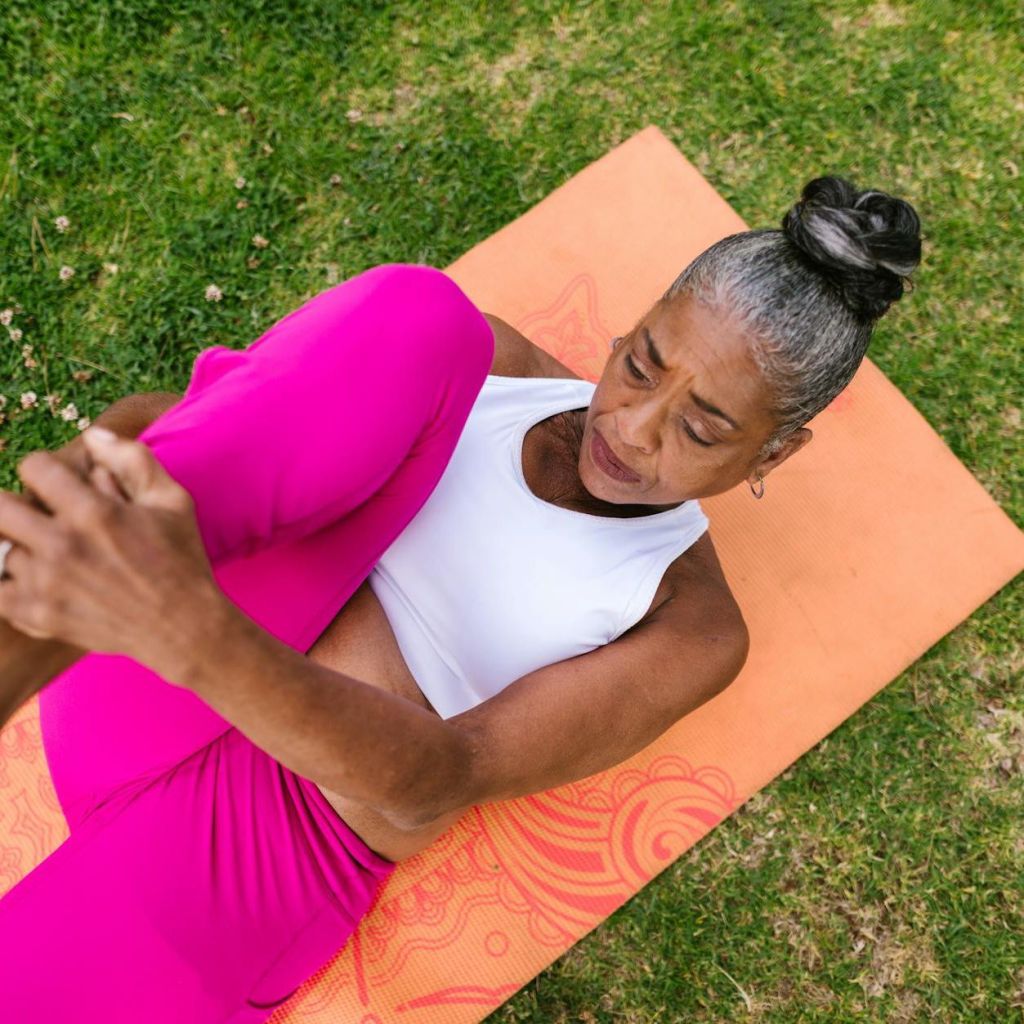
Discover effective yoga poses to help manage high blood pressure and promote relaxation. Explore techniques that enhance your well-being, reduce stress, and support heart health. Find your path to healing through mindful movement and breath.
Introduction
High blood pressure, or hypertension, is often dubbed the “silent killer.” It affects millions of people worldwide and can lead to serious health complications if left unchecked. While medication and lifestyle changes are essential for managing this condition, many individuals are turning to complementary therapies like yoga to help lower their blood pressure and promote overall well-being. In this article, we will explore the connection between yoga and high blood pressure, discuss specific poses that can help you relax and heal, and provide tips for incorporating yoga into your daily routine.

Check ✅From Pain to Power:Healing Osteoarthritis Naturally
Understanding High Blood Pressure
Before diving into the benefits of yoga, it’s crucial to understand what high blood pressure is and how it affects your body. Blood pressure is the force of blood against the walls of your arteries. It is measured in millimeters of mercury (mmHg) and is expressed with two numbers: systolic (the pressure when your heart beats) over diastolic (the pressure when your heart rests between beats). A normal blood pressure reading is typically around 120/80 mmHg. Hypertension is diagnosed when blood pressure readings consistently exceed 130/80 mmHg.
Causes and Risk Factors
Several factors can contribute to high blood pressure, including:
- Genetics: A family history of hypertension can increase your risk.
- Age: Blood pressure tends to rise as you get older.
- Diet: High salt intake, excessive alcohol consumption, and a diet low in fruits and vegetables can contribute to hypertension.
- Physical Inactivity: A sedentary lifestyle can lead to weight gain and increased blood pressure.
- Stress: Chronic stress can lead to temporary spikes in blood pressure and contribute to long-term hypertension.
The Importance of Managing High Blood Pressure
Managing high blood pressure is crucial for reducing the risk of serious health issues, including heart disease, stroke, and kidney damage. Lifestyle changes, such as adopting a healthier diet, exercising regularly, and managing stress, can significantly impact your blood pressure levels. This is where yoga comes into play.
The Connection Between Yoga and High Blood Pressure
Yoga is an ancient practice that combines physical postures, breathing exercises, and meditation to promote physical and mental well-being. Research has shown that yoga can be an effective tool for managing high blood pressure. Here’s how:
1. Stress Reduction
One of the primary benefits of yoga is its ability to reduce stress. Stress is a significant contributor to high blood pressure, and practicing yoga can help calm the mind and body. Through deep breathing and mindfulness, yoga encourages relaxation, which can lead to lower blood pressure levels.
2. Improved Circulation
Yoga poses promote better blood circulation, which can help lower blood pressure. Improved circulation allows the heart to pump blood more efficiently, reducing the strain on the cardiovascular system.
3. Enhanced Flexibility and Strength
Many yoga poses require strength and flexibility, which can improve overall physical fitness. Regular practice can help maintain a healthy weight, another critical factor in managing blood pressure.
4. Mindfulness and Meditation
Yoga incorporates mindfulness and meditation, which can help individuals become more aware of their thoughts and feelings. This awareness can lead to healthier coping mechanisms for stress and anxiety, ultimately benefiting blood pressure levels.
Yoga Poses to Help Lower Blood Pressure
Incorporating specific yoga poses into your routine can help you relax and promote healing. Here are some effective poses to consider:
1. Child’s Pose (Balasana)
Benefits: This restorative pose helps calm the mind and relieve tension in the body.
How to Do It:
- Kneel on the floor and sit back on your heels.
- Reach your arms forward and lower your torso to the ground.
- Rest your forehead on the mat and breathe deeply for several breaths.
2. Cat-Cow Stretch (Marjaryasana-Bitilasana)
Benefits: This gentle flow between two poses helps relieve tension in the spine and promotes relaxation.
How to Do It:
- Start on your hands and knees in a tabletop position.
- Inhale as you arch your back (Cow Pose) and look up.
- Exhale as you round your spine (Cat Pose) and tuck your chin to your chest.
- Repeat for several breaths.
3. Legs-Up-the-Wall Pose (Viparita Karani)
Benefits: This restorative pose helps reduce stress and promotes relaxation by reversing blood flow.
How to Do It:
- Sit next to a wall and lie on your back.
- Swing your legs up the wall while keeping your shoulders and head on the ground.
- Relax your arms at your sides and breathe deeply for 5-10 minutes.
4. Seated Forward Bend (Paschimottanasana)
Benefits: This pose stretches the spine and hamstrings while calming the mind.
How to Do It:
- Sit on the floor with your legs extended in front of you.
- Inhale and lengthen your spine, then exhale as you hinge at the hips and reach for your feet.
- Hold for several breaths, feeling the stretch in your back and legs.
5. Corpse Pose (Savasana)
Benefits: This final relaxation pose helps integrate the benefits of your practice and promotes deep relaxation.
How to Do It:
- Lie on your back with your legs extended and arms at your sides.
- Close your eyes and focus on your breath, allowing your body to relax completely.
- Stay in this pose for 5-10 minutes.
Tips for Incorporating Yoga into Your Routine
To reap the benefits of yoga for high blood pressure, consider the following tips:
1. Start Slow
If you’re new to yoga, start with gentle classes or online tutorials. Focus on learning the poses and breathing techniques before progressing to more advanced practices.
2. Create a Dedicated Space
Designate a quiet, comfortable space in your home for your yoga practice. This can help you establish a routine and make it easier to relax.
3. Practice Regularly
Aim to practice yoga at least 2-3 times a week. Consistency is key to experiencing the benefits of yoga for high blood pressure.
4. Combine with Other Healthy Habits
Incorporate other healthy lifestyle changes, such as a balanced diet, regular exercise, and stress management techniques, to enhance the effects of yoga on your blood pressure.
5. Listen to Your Body
Pay attention to how your body feels during and after your practice. If a pose doesn’t feel right, modify it or skip it altogether. Yoga should be a source of relaxation, not stress.
Conclusion
Yoga is a powerful tool for managing high blood pressure and promoting overall well-being. By incorporating specific poses into your routine, you can reduce stress, improve circulation, and enhance your physical and mental health. Remember to start slow, practice regularly, and listen to your body as you embark on your yoga journey. As you cultivate a consistent practice, you may find that not only does your blood pressure improve, but your overall quality of life does as well. Embrace the journey of healing and relaxation that yoga offers, and take a step towards a healthier, more balanced life.
- The Arthritis Home Remedies Bible: 100 Natural Treatments For Lasting Relief : Alfred Okoko
- Rosemary: The Aromatic Herb That Supports Joint Health: Nexus Revamp
- Oregano: A Potent Herb with Ulcer-Healing Benefits: Nexus Revamp
- The Antioxidant Power of Turmeric: A Golden Herb for Heart Health: Nexus Revamp
- Warm Up to Wellness: The Healing Power of Heat for Arthritis: Nexus Revamp
 Nexus Revamp
Leave a comment