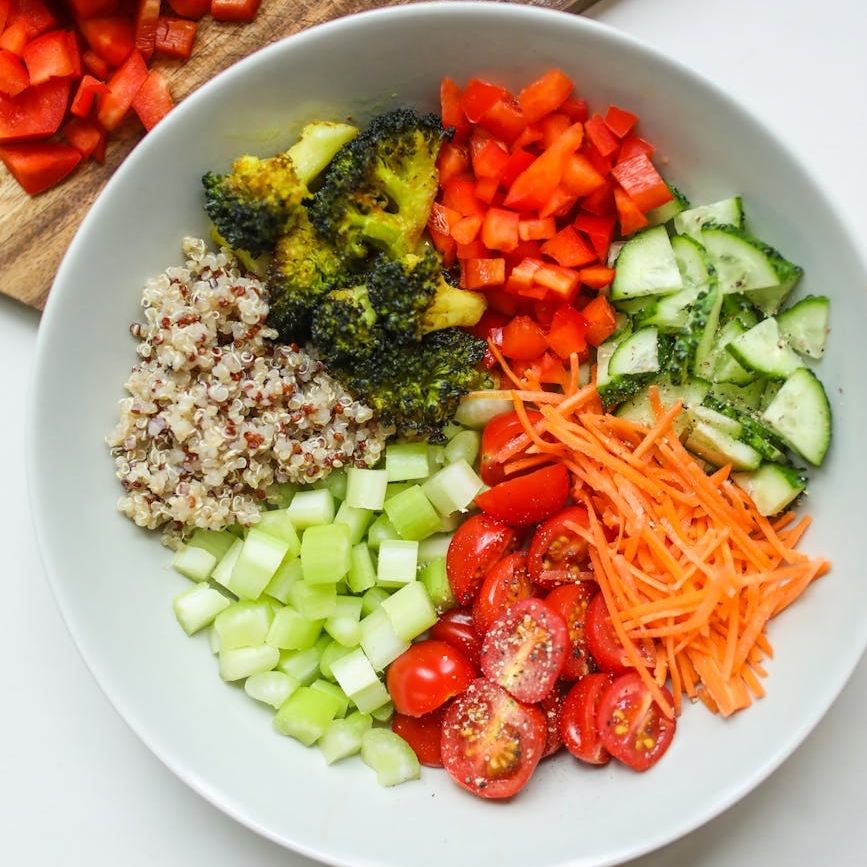
Discover effective dietary strategies to manage high blood pressure naturally. Learn about foods to include, those to avoid, and practical tips for creating a heart-healthy meal plan that supports your overall well-being.
Introduction
High blood pressure, or hypertension, is often dubbed the “silent killer.” It sneaks up on you, often without any noticeable symptoms, yet it can lead to serious health issues like heart disease, stroke, and kidney problems. While medication can be effective, many people are turning to natural methods to manage their blood pressure, and one of the most powerful tools at your disposal is your diet. In this article, we’ll explore how you can use diet to control high blood pressure, offering practical tips and delicious recipes along the way.
Understanding High Blood Pressure
Before diving into dietary changes, it’s essential to understand what high blood pressure is. Blood pressure is the force of blood against the walls of your arteries. It’s measured in millimeters of mercury (mmHg) and is expressed with two numbers: systolic (the pressure when your heart beats) over diastolic (the pressure when your heart rests between beats). A normal reading is typically around 120/80 mmHg. Hypertension is generally defined as having a reading of 130/80 mmHg or higher.
The Role of Diet in Blood Pressure Management
Diet plays a crucial role in managing blood pressure. Certain foods can help lower blood pressure, while others can contribute to its rise. By making informed dietary choices, you can take control of your health and potentially reduce your reliance on medication.
The DASH Diet: A Proven Approach
One of the most well-researched dietary approaches for managing high blood pressure is the DASH diet, which stands for Dietary Approaches to Stop Hypertension. The DASH diet emphasizes whole foods, including:
- Fruits and Vegetables: Aim for at least 4-5 servings of each per day. These foods are rich in potassium, which helps balance sodium levels in the body.
- Whole Grains: Choose whole grains like brown rice, quinoa, and whole wheat bread over refined grains. They provide fiber, which is beneficial for heart health.
- Lean Proteins: Incorporate sources of lean protein such as fish, poultry, beans, and nuts. These foods are lower in saturated fat and can help maintain a healthy weight.
- Low-Fat Dairy: Opt for low-fat or fat-free dairy products, which provide calcium and vitamin D, both important for heart health.
- Healthy Fats: Include sources of healthy fats, such as avocados, olive oil, and nuts, while limiting saturated and trans fats.
Foods to Avoid
While focusing on healthy foods, it’s equally important to limit or avoid certain items that can contribute to high blood pressure:
- Salt: High sodium intake is a significant contributor to hypertension. Aim for less than 2,300 mg of sodium per day, and ideally, limit it to 1,500 mg if you have high blood pressure.
- Processed Foods: Many processed foods are high in sodium and unhealthy fats. Read labels carefully and choose fresh, whole foods whenever possible.
- Sugary Beverages: Sugary drinks can lead to weight gain and increased blood pressure. Opt for water, herbal teas, or infused water instead.
- Alcohol: While moderate alcohol consumption can have some health benefits, excessive drinking can raise blood pressure. Limit intake to one drink per day for women and two for men.
Practical Tips for a Heart-Healthy Diet
- Plan Your Meals: Take time each week to plan your meals. This will help you make healthier choices and avoid last-minute unhealthy options.
- Cook at Home: Preparing your meals at home allows you to control the ingredients and portion sizes. Experiment with herbs and spices to flavor your dishes without adding salt.
- Read Nutrition Labels: Familiarize yourself with reading nutrition labels. Look for low-sodium options and pay attention to serving sizes.
- Snack Wisely: Choose healthy snacks like fruits, vegetables, nuts, or yogurt instead of chips or cookies. This can help you maintain energy levels and avoid unhealthy cravings.
- Stay Hydrated: Drink plenty of water throughout the day. Sometimes, our bodies confuse thirst with hunger, leading to unnecessary snacking.
- Practice Mindful Eating: Pay attention to what you eat and savor each bite. This can help you enjoy your food more and prevent overeating.
Delicious Recipes for Lowering Blood Pressure
1. Quinoa Salad with Avocado and Black Beans
Ingredients:
- 1 cup quinoa, rinsed
- 2 cups water
- 1 can black beans, rinsed and drained
- 1 avocado, diced
- 1 cup cherry tomatoes, halved
- 1/4 cup red onion, finely chopped
- Juice of 1 lime
- 2 tablespoons olive oil
- Salt and pepper to taste
- Fresh cilantro for garnish
Instructions:
- In a saucepan, bring water to a boil. Add quinoa, reduce heat, cover, and simmer for about 15 minutes or until water is absorbed. Fluff with a fork and let cool.
- In a large bowl, combine black beans, avocado, cherry tomatoes, red onion, lime juice, and olive oil. Add the cooled quinoa and mix well.
- Season with salt and pepper to taste. Garnish with fresh cilantro before serving.
2. Baked Salmon with Asparagus
Ingredients:
- 4 salmon fillets
- 1 bunch asparagus, trimmed
- 2 tablespoons olive oil
- 2 cloves garlic, minced
- Juice of 1 lemon
- Salt and pepper to taste
Instructions:
- Preheat the oven to 400°F (200°C).
- Place salmon and asparagus on a baking sheet. Drizzle with olive oil and lemon juice, and sprinkle with garlic, salt, and pepper.
- Bake for 12-15 minutes or until the salmon is cooked through and flakes easily with a fork.
3. Spinach and Chickpea Stew
Ingredients:
- 1 tablespoon olive oil
- 1 onion, chopped
- 2 cloves garlic, minced
- 1 can diced tomatoes
- 1 can chickpeas, rinsed and drained
- 4 cups fresh spinach
- 1 teaspoon cumin
- Salt and pepper to taste
Instructions:
- In a large pot, heat olive oil over medium heat. Add onion and garlic, and sauté until softened.
- Stir in diced tomatoes, chickpeas, cumin, salt, and pepper. Simmer for 10 minutes.
- Add spinach and cook until wilted. Serve warm with whole-grain bread.
Lifestyle Changes to Complement Your Diet
While diet is a significant factor in managing high blood pressure, it’s not the only one. Here are some lifestyle changes that can further support your efforts:
1. Regular Exercise
Physical activity is crucial for maintaining a healthy weight and lowering blood pressure. Aim for at least 150 minutes of moderate aerobic activity each week, such as brisk walking, cycling, or swimming. Incorporating strength training exercises at least twice a week can also be beneficial.
2. Maintain a Healthy Weight
If you’re overweight, losing even a small amount of weight can help lower your blood pressure. Focus on gradual, sustainable changes rather than drastic diets.
3. Manage Stress
Chronic stress can contribute to high blood pressure. Explore stress-reducing techniques such as yoga, meditation, deep breathing exercises, or spending time in nature.
4. Get Enough Sleep
Quality sleep is essential for overall health. Aim for 7-9 hours of sleep per night, and establish a regular sleep schedule to improve your sleep quality.
5. Monitor Your Blood Pressure
Keep track of your blood pressure readings at home. This can help you see how your lifestyle changes are impacting your health and allow you to make adjustments as needed.
Conclusion
Managing high blood pressure doesn’t have to be a daunting task. By making informed dietary choices and adopting a heart-healthy lifestyle, you can take control of your health naturally. Remember, it’s not just about what you eat; it’s about creating a balanced, sustainable approach to your overall well-being.
Start small, be patient with yourself, and celebrate your progress along the way. With dedication and the right strategies, you can lower your blood pressure and improve your quality of life. Embrace this journey towards better health, and remember that every positive change counts.
Call to Action
If you found this article helpful, consider sharing it with friends or family who may benefit from these tips. Together, we can spread awareness about the importance of diet in managing high blood pressure and encourage healthier lifestyles for everyone.
By focusing on a heart-healthy diet and lifestyle, you can take significant steps toward controlling high blood pressure naturally. Remember, it’s never too late to start making positive changes for your health!
- The Arthritis Home Remedies Bible: 100 Natural Treatments For Lasting Relief : Alfred Okoko
- Rosemary: The Aromatic Herb That Supports Joint Health: Nexus RevampWhen you think of rosemary, what comes to mind? Perhaps it’s the fragrant herb that elevates your roasted chicken or the delightful aroma wafting through your kitchen as you prepare a hearty stew. While rosemary is often celebrated for its culinary uses, this aromatic herb has a rich history and a treasure trove of health… Read more: Rosemary: The Aromatic Herb That Supports Joint Health: Nexus Revamp
- Oregano: A Potent Herb with Ulcer-Healing Benefits: Nexus RevampOregano, a perennial herb belonging to the mint family (Lamiaceae), is widely recognized for its culinary uses and aromatic flavor. However, beyond its role in enhancing the taste of various dishes, oregano has garnered attention for its potential health benefits, particularly in the realm of digestive health. Among these benefits, its ulcer-healing properties stand out,… Read more: Oregano: A Potent Herb with Ulcer-Healing Benefits: Nexus Revamp
- The Antioxidant Power of Turmeric: A Golden Herb for Heart Health: Nexus RevampTurmeric, a vibrant yellow spice derived from the rhizome of the Curcuma longa plant, has been a staple in traditional medicine and culinary practices for centuries. Known for its distinctive flavor and color, turmeric is also celebrated for its numerous health benefits, particularly its potent antioxidant properties. Among its many advantages, turmeric has garnered attention… Read more: The Antioxidant Power of Turmeric: A Golden Herb for Heart Health: Nexus Revamp
- Warm Up to Wellness: The Healing Power of Heat for Arthritis: Nexus RevampDiscover the transformative benefits of heat therapy for arthritis relief in “Warm Up to Wellness.” Explore how warmth can soothe pain, improve mobility, and enhance overall well-being. Learn practical tips and techniques to incorporate heat into your daily routine for effective arthritis management. Introduction Arthritis is a condition that affects millions of people worldwide, causing… Read more: Warm Up to Wellness: The Healing Power of Heat for Arthritis: Nexus Revamp
 Nexus Revamp
Leave a comment