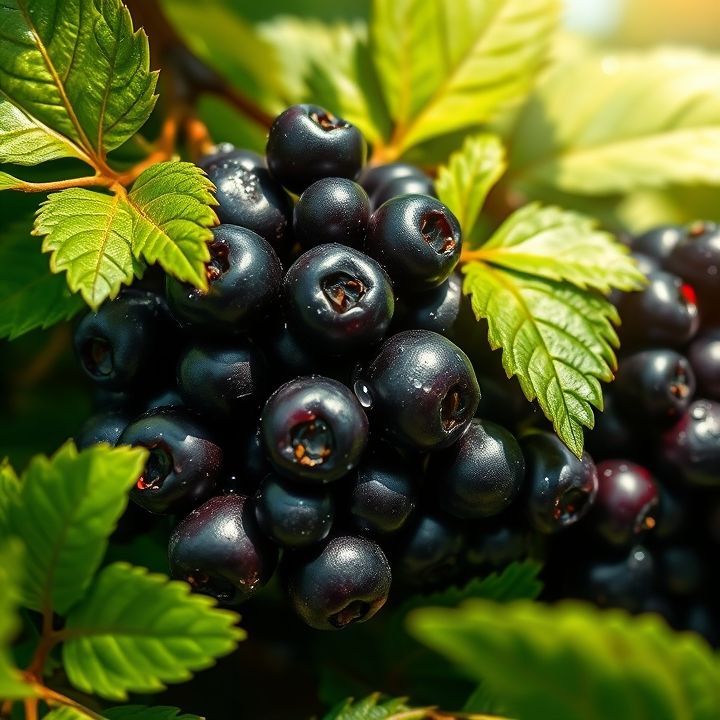
Discover the powerful anti-inflammatory properties of elderberry. Learn how this natural remedy can help combat inflammation, supported by scientific evidence and practical tips for incorporating it into your wellness routine.
Introduction
In recent years, the quest for natural remedies to combat inflammation has gained significant traction. Among the myriad of options available, elderberry has emerged as a powerful contender. This small, dark berry, derived from the Sambucus tree, has been used for centuries in traditional medicine. Today, scientific research is beginning to validate its efficacy, particularly in the realm of inflammation. In this article, we will explore the anti-inflammatory properties of elderberry, the science behind its benefits, and practical ways to incorporate it into your daily routine.
Understanding Inflammation
Before delving into the benefits of elderberry, it’s essential to understand what inflammation is and why it matters. Inflammation is a natural response of the body’s immune system to injury or infection. It serves as a protective mechanism, helping to heal damaged tissues and fend off pathogens. However, chronic inflammation can lead to various health issues, including heart disease, diabetes, arthritis, and even cancer.
Chronic inflammation is often fueled by lifestyle factors such as poor diet, lack of exercise, stress, and exposure to environmental toxins. Therefore, finding effective ways to reduce inflammation is crucial for maintaining overall health and well-being.
The Nutritional Profile of Elderberry
Elderberries are not only rich in flavor but also packed with nutrients. They are an excellent source of vitamins A, C, and E, as well as dietary fiber and antioxidants. The most notable compounds in elderberries are flavonoids, particularly anthocyanins, which are responsible for their deep purple color and potent health benefits.
The Anti-Inflammatory Properties of Elderberry
- Rich in Antioxidants: One of the primary ways elderberry combats inflammation is through its high antioxidant content. Antioxidants neutralize free radicals—unstable molecules that can cause oxidative stress and lead to chronic inflammation. A study published in the Journal of Agricultural and Food Chemistry found that elderberry extracts exhibited significant antioxidant activity, suggesting that they can help reduce oxidative stress in the body.
- Modulation of Cytokines: Cytokines are proteins that play a crucial role in cell signaling during immune responses. Some cytokines promote inflammation, while others help to resolve it. Research has shown that elderberry can modulate the production of pro-inflammatory cytokines, thereby helping to balance the immune response. A study in the Journal of Nutritional Biochemistry indicated that elderberry extract could reduce the levels of inflammatory cytokines in human cells.
- Support for Respiratory Health: Inflammation is a key factor in respiratory conditions such as asthma and bronchitis. Elderberry has been traditionally used to support respiratory health, and recent studies have provided scientific backing for these claims. A clinical trial published in the International Journal of General Medicine found that elderberry extract significantly reduced the duration and severity of flu symptoms, which are often accompanied by inflammation in the respiratory tract.
- Potential Benefits for Joint Health: Chronic inflammation is a significant contributor to joint pain and conditions like arthritis. The anti-inflammatory properties of elderberry may offer relief for those suffering from these ailments. A study in the Journal of Medicinal Food demonstrated that elderberry extract could inhibit the production of inflammatory markers in joint tissues, suggesting its potential as a natural remedy for joint health.
Scientific Evidence Supporting Elderberry’s Anti-Inflammatory Effects
The scientific community has begun to take notice of elderberry’s potential in combating inflammation. Several studies have highlighted its benefits:
- A study published in the European Journal of Clinical Nutrition found that elderberry supplementation reduced markers of inflammation in participants with metabolic syndrome, a condition characterized by chronic inflammation and increased risk of cardiovascular disease.
- Research in the Journal of Ethnopharmacology indicated that elderberry extract could inhibit the activity of cyclooxygenase (COX) enzymes, which are involved in the inflammatory process. This suggests that elderberry may function similarly to non-steroidal anti-inflammatory drugs (NSAIDs) but with fewer side effects.
- A systematic review in the Nutrients journal concluded that elderberry supplementation could improve immune function and reduce inflammation, particularly in individuals with respiratory infections.
How to Incorporate Elderberry into Your Diet
Now that we understand the powerful anti-inflammatory properties of elderberry, the next step is to explore how to incorporate it into your daily routine. Here are some practical tips:
- Elderberry Syrup: One of the most popular forms of elderberry is syrup. You can find it in health food stores or make your own by simmering elderberries with water, sugar, and spices. This syrup can be taken by the spoonful or added to teas and smoothies.
- Elderberry Tea: Dried elderberries can be steeped in hot water to make a soothing tea. This is an excellent way to enjoy the benefits of elderberry while staying hydrated.
- Elderberry Gummies: For those who prefer a more palatable option, elderberry gummies are widely available. They are a convenient way to get your daily dose of elderberry, especially for children.
- Elderberry Extract: Liquid elderberry extract is another option that can be added to water or juice. This concentrated form provides a potent dose of the berry’s beneficial compounds.
- Elderberry in Recipes: Incorporate elderberry into your cooking by adding elderberry juice or syrup to salad dressings, marinades, or desserts. The sweet and tangy flavor can enhance various dishes.
Precautions and Considerations
While elderberry is generally considered safe for most people, there are a few precautions to keep in mind:
- Raw Elderberries: Raw elderberries, as well as other parts of the elderberry plant, contain cyanogenic glycosides, which can be toxic if consumed in large quantities. Always cook elderberries before consumption to neutralize these compounds.
- Consult with a Healthcare Provider: If you are pregnant, nursing, or taking medications, it’s essential to consult with a healthcare provider before adding elderberry to your routine. This is particularly important for individuals with autoimmune conditions or those on immunosuppressive therapy.
- Quality Matters: When purchasing elderberry products, choose high-quality supplements from reputable brands. Look for products that are standardized for their anthocyanin content to ensure you are getting the maximum benefits.
Conclusion
Elderberry is a remarkable natural remedy with potent anti-inflammatory properties. Supported by scientific evidence, it offers a promising approach to combating chronic inflammation and promoting overall health. Whether you choose to enjoy it as a syrup, tea, or supplement, incorporating elderberry into your wellness routine can be a delicious and beneficial choice.
As we continue to explore the power of nature in supporting our health, elderberry stands out as a testament to the potential of traditional remedies backed by modern science. By harnessing the benefits of elderberry, we can take proactive steps toward reducing inflammation and enhancing our well-being.
- The Arthritis Home Remedies Bible: 100 Natural Treatments For Lasting Relief : Alfred Okoko
- Rosemary: The Aromatic Herb That Supports Joint Health: Nexus RevampWhen you think of rosemary, what comes to mind? Perhaps it’s the fragrant herb that elevates your roasted chicken or the delightful aroma wafting through your kitchen as you prepare a hearty stew. While rosemary is often celebrated for its culinary uses, this aromatic herb has a rich history and a treasure trove of health… Read more: Rosemary: The Aromatic Herb That Supports Joint Health: Nexus Revamp
- Oregano: A Potent Herb with Ulcer-Healing Benefits: Nexus RevampOregano, a perennial herb belonging to the mint family (Lamiaceae), is widely recognized for its culinary uses and aromatic flavor. However, beyond its role in enhancing the taste of various dishes, oregano has garnered attention for its potential health benefits, particularly in the realm of digestive health. Among these benefits, its ulcer-healing properties stand out,… Read more: Oregano: A Potent Herb with Ulcer-Healing Benefits: Nexus Revamp
- The Antioxidant Power of Turmeric: A Golden Herb for Heart Health: Nexus RevampTurmeric, a vibrant yellow spice derived from the rhizome of the Curcuma longa plant, has been a staple in traditional medicine and culinary practices for centuries. Known for its distinctive flavor and color, turmeric is also celebrated for its numerous health benefits, particularly its potent antioxidant properties. Among its many advantages, turmeric has garnered attention… Read more: The Antioxidant Power of Turmeric: A Golden Herb for Heart Health: Nexus Revamp
- Warm Up to Wellness: The Healing Power of Heat for Arthritis: Nexus RevampDiscover the transformative benefits of heat therapy for arthritis relief in “Warm Up to Wellness.” Explore how warmth can soothe pain, improve mobility, and enhance overall well-being. Learn practical tips and techniques to incorporate heat into your daily routine for effective arthritis management. Introduction Arthritis is a condition that affects millions of people worldwide, causing… Read more: Warm Up to Wellness: The Healing Power of Heat for Arthritis: Nexus Revamp
 Nexus Revamp
Leave a comment