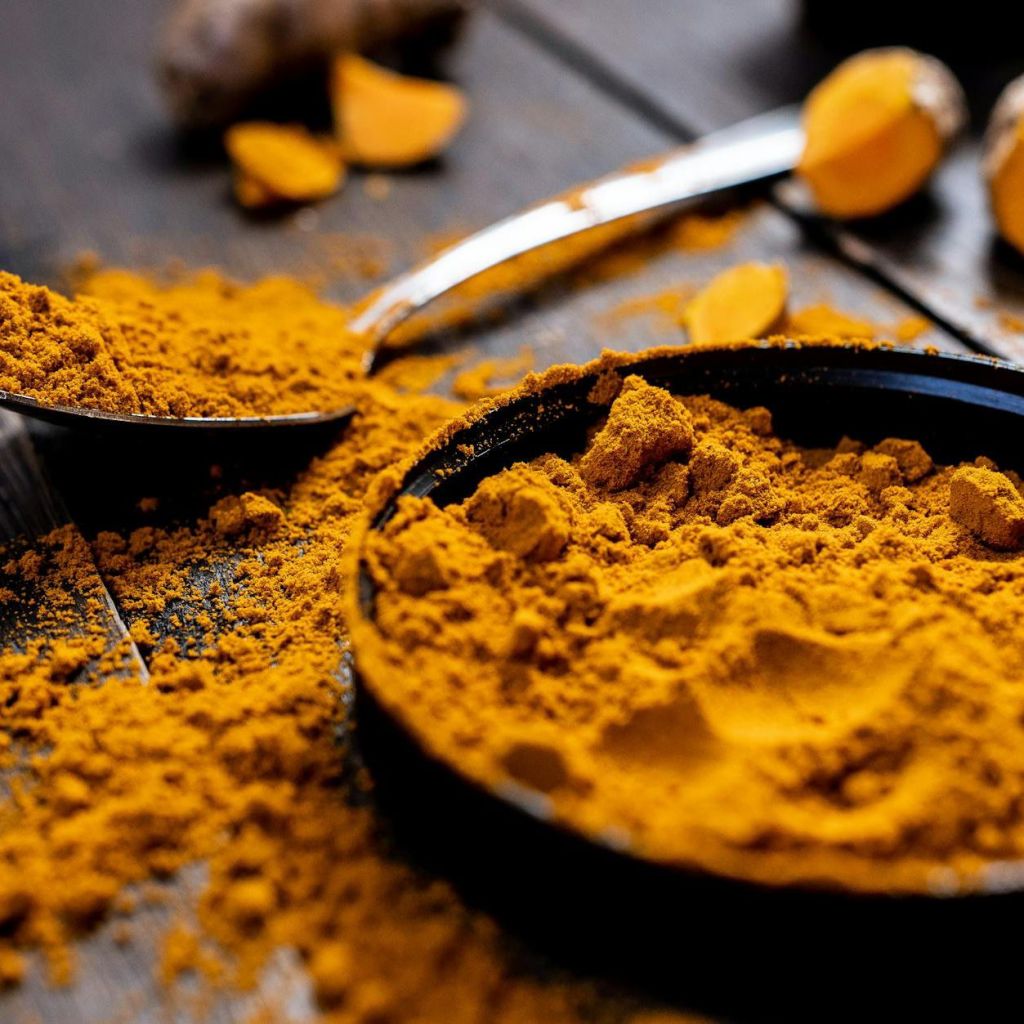
Discover the powerful benefits of turmeric, the golden spice renowned for its anti-inflammatory properties. Learn how turmeric can aid in arthritis management, reduce pain, and improve joint health. Explore recipes, dosage recommendations, and tips for incorporating this natural remedy into your daily routine for enhanced well-being.
Introduction
Arthritis is a common condition that affects millions of people worldwide, causing pain, stiffness, and inflammation in the joints. While there are various treatments available, many individuals are turning to natural remedies to help manage their symptoms. One such remedy that has gained significant attention is turmeric, often referred to as the “golden spice.” This vibrant yellow spice, derived from the root of the Curcuma longa plant, has been used for centuries in traditional medicine, particularly in Ayurvedic and Chinese practices. In this article, we will explore the benefits of turmeric for arthritis management, its active compound curcumin, and how to incorporate this powerful spice into your daily routine.

Check in : From Pain to Power: Healing Osteoarthritis Naturally
Understanding Arthritis
Before diving into the benefits of turmeric, it’s essential to understand what arthritis is. Arthritis is an umbrella term that encompasses over 100 different types of joint diseases, with osteoarthritis and rheumatoid arthritis being the most common. Osteoarthritis is a degenerative joint disease that occurs when the cartilage that cushions the joints wears down over time, leading to pain and stiffness. Rheumatoid arthritis, on the other hand, is an autoimmune disorder where the body’s immune system mistakenly attacks the joints, causing inflammation and damage.
Both types of arthritis can significantly impact a person’s quality of life, making everyday activities challenging. Traditional treatments often include nonsteroidal anti-inflammatory drugs (NSAIDs), corticosteroids, and disease-modifying antirheumatic drugs (DMARDs). However, these medications can come with side effects and may not be suitable for everyone. This is where natural alternatives like turmeric come into play.
The Science Behind Turmeric and Curcumin
Turmeric contains several active compounds, but the most studied and recognized for its health benefits is curcumin. Curcumin is a polyphenol that possesses potent anti-inflammatory and antioxidant properties. Research has shown that curcumin can inhibit various molecules that play a role in inflammation, making it a promising candidate for managing arthritis symptoms.
Anti-Inflammatory Properties
One of the primary reasons turmeric is effective for arthritis management is its ability to reduce inflammation. Inflammation is a natural response of the body to injury or infection, but in the case of arthritis, this response becomes chronic and leads to joint damage. Curcumin has been shown to block the activity of inflammatory enzymes and cytokines, which are responsible for the inflammatory process. By reducing inflammation, curcumin can help alleviate pain and improve joint function.
Antioxidant Effects
Oxidative stress, caused by an imbalance between free radicals and antioxidants in the body, can contribute to the progression of arthritis. Curcumin is a powerful antioxidant that can neutralize free radicals, reducing oxidative stress and protecting joint tissues from damage. This dual action of curcumin—reducing inflammation and combating oxidative stress—makes it a valuable ally in the fight against arthritis.
Research Supporting Turmeric for Arthritis
Numerous studies have investigated the effects of turmeric and curcumin on arthritis. A systematic review published in the Journal of Medicinal Food found that curcumin supplementation significantly reduced pain and improved physical function in individuals with osteoarthritis. Another study published in Phytotherapy Research demonstrated that curcumin was as effective as ibuprofen in reducing pain and improving function in patients with knee osteoarthritis.
In the case of rheumatoid arthritis, a study published in Clinical Rheumatology found that curcumin supplementation led to a significant reduction in disease activity and inflammatory markers. These findings suggest that turmeric can be a beneficial addition to the treatment regimen for individuals suffering from various forms of arthritis.
How to Incorporate Turmeric into Your Diet
Incorporating turmeric into your daily routine is relatively easy, and there are several delicious ways to do so. Here are some ideas to help you get started:
1. Golden Milk
Golden milk, also known as turmeric latte, is a popular beverage that combines turmeric with milk (dairy or plant-based), spices, and sweeteners. To make golden milk, simply heat your choice of milk, add a teaspoon of turmeric, a pinch of black pepper (which enhances curcumin absorption), and sweeten to taste with honey or maple syrup. You can also add cinnamon or ginger for extra flavor and health benefits.
2. Turmeric Tea
Turmeric tea is another excellent way to enjoy the benefits of this golden spice. To make turmeric tea, steep fresh or dried turmeric in hot water for about 10 minutes. You can enhance the flavor by adding lemon juice, honey, or ginger. This soothing drink can be enjoyed warm or iced.
3. Smoothies
Adding turmeric to your morning smoothie is a simple way to boost its nutritional value. Combine your favorite fruits, leafy greens, yogurt, and a teaspoon of turmeric for a delicious and healthful breakfast. The addition of black pepper will help your body absorb curcumin more effectively.
4. Soups and Stews
Turmeric can be easily incorporated into soups and stews. Add a teaspoon or two of turmeric powder to your favorite recipes for a warm, comforting dish that also provides anti-inflammatory benefits. It pairs well with lentils, chickpeas, and various vegetables.
5. Curries and Stir-Fries
Turmeric is a staple in many curry recipes, and it can also be used in stir-fries. The vibrant color and earthy flavor of turmeric enhance the taste of dishes while providing health benefits. Experiment with different spices and ingredients to create your own unique recipes.
6. Supplements
If you find it challenging to incorporate enough turmeric into your diet, consider taking curcumin supplements. These are available in various forms, including capsules, powders, and extracts. When choosing a supplement, look for one that contains black pepper extract (piperine) to enhance absorption. Always consult with a healthcare professional before starting any new supplement regimen.
Precautions and Considerations
While turmeric is generally considered safe for most people, there are some precautions to keep in mind. High doses of curcumin may cause gastrointestinal issues, such as nausea or diarrhea, in some individuals. It’s essential to start with a small amount and gradually increase your intake as tolerated.
Additionally, turmeric may interact with certain medications, including blood thinners and medications for diabetes. If you are taking any medications or have underlying health conditions, it’s crucial to consult with your healthcare provider before adding turmeric or curcumin supplements to your routine.
Lifestyle Changes for Arthritis Management
In addition to incorporating turmeric into your diet, there are several lifestyle changes you can make to help manage arthritis symptoms effectively:
1. Maintain a Healthy Weight
Excess weight puts additional stress on your joints, particularly weight-bearing joints like the knees and hips. Maintaining a healthy weight can help reduce pain and improve mobility. A balanced diet rich in fruits, vegetables, whole grains, and lean proteins can support weight management.
2. Stay Active
Regular physical activity is essential for maintaining joint health and flexibility. Low-impact exercises, such as swimming, walking, and cycling, can help improve strength and reduce stiffness without putting too much strain on the joints. Always consult with a healthcare professional before starting a new exercise program.
3. Practice Stress Management
Chronic stress can exacerbate inflammation and pain. Incorporating stress-reducing practices, such as yoga, meditation, or deep breathing exercises, can help improve your overall well-being and may alleviate some arthritis symptoms.
4. Get Enough Sleep
Quality sleep is crucial for overall health and can impact pain levels. Aim for 7-9 hours of sleep each night and establish a relaxing bedtime routine to improve sleep quality.
5. Stay Hydrated
Proper hydration is essential for joint health. Drinking enough water helps maintain the lubrication of joints and can reduce stiffness. Aim to drink at least eight 8-ounce glasses of water daily, or more if you are active.
Conclusion
Turmeric, the golden spice, offers a wealth of benefits for individuals managing arthritis. Its active compound, curcumin, possesses powerful anti-inflammatory and antioxidant properties that can help alleviate pain and improve joint function. By incorporating turmeric into your diet and making healthy lifestyle choices, you can take proactive steps toward managing your arthritis symptoms.
As with any natural remedy, it’s essential to consult with a healthcare professional before making significant changes to your treatment plan. With the right approach, turmeric can be a valuable addition to your arsenal in the fight against arthritis, helping you reclaim your mobility and improve your quality of life. Embrace the golden spice and discover the potential it holds for your health and well-being.
- The Arthritis Home Remedies Bible: 100 Natural Treatments For Lasting Relief : Alfred Okoko
- Rosemary: The Aromatic Herb That Supports Joint Health: Nexus Revamp
- Oregano: A Potent Herb with Ulcer-Healing Benefits: Nexus Revamp
- The Antioxidant Power of Turmeric: A Golden Herb for Heart Health: Nexus Revamp
- Warm Up to Wellness: The Healing Power of Heat for Arthritis: Nexus Revamp
 Nexus Revamp
Leave a comment