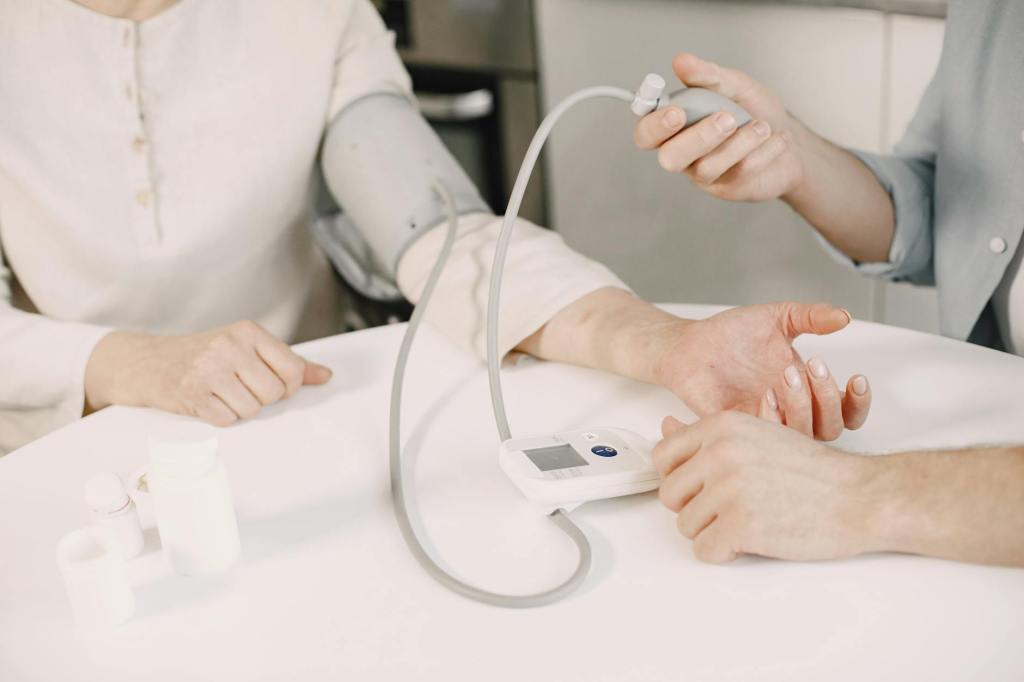
Discover 10 essential tips for managing high blood pressure and promoting a healthier lifestyle. From dietary changes to exercise routines, learn effective strategies to lower your blood pressure and improve your overall well-being. Take control of your health today!
Introduction
High blood pressure, or hypertension, is often dubbed the “silent killer” because it typically has no symptoms but can lead to serious health issues, including heart disease and stroke. If you or a loved one is dealing with high blood pressure, it’s crucial to take proactive steps to manage it effectively. In this article, we’ll explore ten essential tips that can help you lead a healthier life while keeping your blood pressure in check.
Check in :From Pain to Power: Healing Osteoarthritis Naturally
1. Understand Your Numbers
The first step in managing high blood pressure is understanding what the numbers mean. Blood pressure is measured in millimeters of mercury (mmHg) and is expressed as two numbers: systolic (the top number) and diastolic (the bottom number). A normal reading is typically around 120/80 mmHg. If your readings are consistently above 130/80 mmHg, you may be diagnosed with hypertension. Regular monitoring can help you stay informed about your health and make necessary adjustments.
Why It Matters
Knowing your blood pressure numbers empowers you to take control of your health. It allows you to track your progress and understand how lifestyle changes impact your readings. Consider investing in a home blood pressure monitor for convenience and accuracy.
2. Eat a Heart-Healthy Diet
Your diet plays a significant role in managing high blood pressure. The DASH (Dietary Approaches to Stop Hypertension) diet is specifically designed to help lower blood pressure. It emphasizes:
- Fruits and Vegetables: Aim for at least five servings a day.
- Whole Grains: Choose whole grain bread, brown rice, and oats.
- Lean Proteins: Incorporate fish, poultry, beans, and nuts.
- Low-Fat Dairy: Opt for low-fat or fat-free options.
- Limit Sodium: Aim for less than 2,300 mg of sodium per day, or even lower if possible.
Practical Tips
- Meal Prep: Prepare meals in advance to avoid unhealthy choices.
- Read Labels: Check for sodium content when shopping.
- Flavor with Herbs: Use herbs and spices instead of salt to enhance flavor.
3. Stay Active
Regular physical activity is one of the most effective ways to lower blood pressure. Aim for at least 150 minutes of moderate aerobic exercise each week, such as brisk walking, swimming, or cycling. Strength training exercises are also beneficial and should be included at least twice a week.
Finding Your Groove
- Choose Activities You Enjoy: Whether it’s dancing, hiking, or yoga, find something that keeps you motivated.
- Buddy Up: Exercising with a friend can make workouts more enjoyable and keep you accountable.
- Set Realistic Goals: Start small and gradually increase your activity level to avoid burnout.
4. Maintain a Healthy Weight
Carrying excess weight can contribute to high blood pressure. Losing even a small amount of weight can help reduce your blood pressure significantly. A combination of a healthy diet and regular exercise is the most effective way to achieve and maintain a healthy weight.
Tips for Weight Management
- Track Your Progress: Use a journal or app to monitor your food intake and exercise.
- Portion Control: Be mindful of portion sizes to avoid overeating.
- Stay Hydrated: Sometimes thirst is mistaken for hunger. Drink plenty of water throughout the day.
5. Limit Alcohol Intake
While moderate alcohol consumption can have some health benefits, excessive drinking can raise blood pressure. If you choose to drink, do so in moderation. For most adults, this means up to one drink per day for women and up to two drinks per day for men.
Making Smart Choices
- Know Your Limits: Be aware of what constitutes a standard drink (e.g., 12 oz of beer, 5 oz of wine, or 1.5 oz of distilled spirits).
- Opt for Low-Calorie Options: Choose lighter beverages to reduce calorie intake.
- Stay Mindful: Pay attention to how alcohol affects your mood and health.
6. Manage Stress
Chronic stress can contribute to high blood pressure, so finding effective ways to manage stress is essential. Techniques such as mindfulness, meditation, and deep breathing exercises can help you relax and lower your blood pressure.
Stress-Reduction Techniques
- Practice Mindfulness: Spend a few minutes each day focusing on your breath and being present.
- Engage in Hobbies: Make time for activities that bring you joy and relaxation.
- Connect with Others: Spend time with friends and family to foster a support system.
7. Quit Smoking
If you smoke, quitting is one of the best things you can do for your overall health and blood pressure. Smoking damages blood vessels and can lead to increased blood pressure. The benefits of quitting are almost immediate, with blood pressure beginning to drop within hours.
Tips for Quitting
- Seek Support: Consider joining a support group or using quit-smoking programs.
- Identify Triggers: Recognize situations that prompt you to smoke and develop strategies to cope.
- Stay Busy: Find activities to keep your hands and mind occupied.
8. Get Enough Sleep
Quality sleep is vital for overall health and can significantly impact blood pressure. Aim for 7-9 hours of sleep each night. Poor sleep can lead to increased stress and weight gain, both of which can contribute to high blood pressure.
Improving Sleep Quality
- Establish a Routine: Go to bed and wake up at the same time each day.
- Create a Sleep-Friendly Environment: Keep your bedroom dark, quiet, and cool.
- Limit Screen Time: Avoid screens at least an hour before bedtime to promote better sleep.
9. Monitor Your Blood Pressure Regularly
Regular monitoring of your blood pressure is crucial for managing hypertension. Keeping track of your readings can help you and your healthcare provider make informed decisions about your treatment plan.
How to Monitor Effectively
- Use a Reliable Monitor: Invest in a good-quality home blood pressure monitor.
- Keep a Log: Record your readings, noting the date and time, to identify patterns.
- Share with Your Doctor: Bring your log to appointments to discuss your progress.
10. Consult Your Healthcare Provider
Finally, never underestimate the importance of regular check-ups with your healthcare provider. They can help you develop a personalized plan to manage your blood pressure, adjust medications if necessary, and provide support and guidance.
Building a Partnership
- Be Open and Honest: Share your concerns and any challenges you face in managing your blood pressure.
- Ask Questions: Don’t hesitate to ask about anything you don’t understand regarding your condition or treatment.
- Follow Recommendations: Adhere to your healthcare provider’s advice and treatment plan for the best results.
Conclusion
Managing high blood pressure is a journey that requires commitment and lifestyle changes. By incorporating these ten essential tips into your daily routine, you can take significant steps toward a healthier life. Remember, small changes can lead to big results, and it’s never too late to start prioritizing your health.
Whether it’s understanding your numbers, eating a heart-healthy diet, or finding effective ways to manage stress, each step you take brings you closer to better blood pressure control. Always consult with your healthcare provider for personalized advice and support. Together, you can work towards a healthier future.
By following these tips, you not only improve your blood pressure but also enhance your overall well-being. Embrace the journey to a healthier life, and remember that every positive change counts!
- The Arthritis Home Remedies Bible: 100 Natural Treatments For Lasting Relief : Alfred Okoko
- Rosemary: The Aromatic Herb That Supports Joint Health: Nexus Revamp
- Oregano: A Potent Herb with Ulcer-Healing Benefits: Nexus Revamp
- The Antioxidant Power of Turmeric: A Golden Herb for Heart Health: Nexus Revamp
- Warm Up to Wellness: The Healing Power of Heat for Arthritis: Nexus Revamp
 Nexus Revamp
Leave a comment