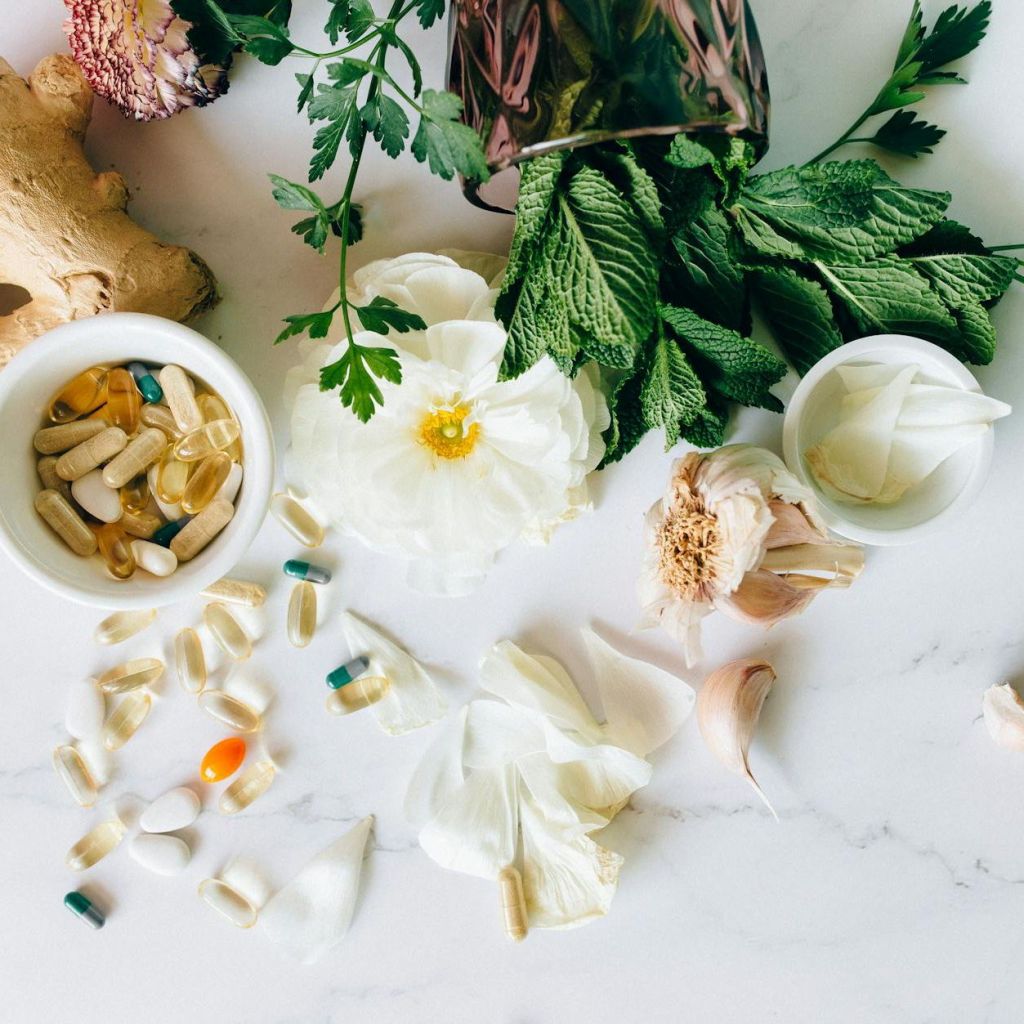
Discover effective strategies for healing peptic ulcers by combining herbal remedies with lifestyle changes. Explore natural treatments, dietary adjustments, and holistic practices to promote digestive health and enhance your well-being. Learn how to support your body’s healing process and find relief from ulcer symptoms.
Introduction
Peptic ulcers are painful sores that develop on the lining of the stomach, small intestine, or esophagus. They can cause significant discomfort and disrupt daily life. While conventional medicine often prescribes medications to reduce stomach acid and promote healing, many people are turning to herbal remedies and lifestyle changes as complementary approaches to manage and heal peptic ulcers. In this article, we will explore how combining these two strategies can lead to effective peptic ulcer healing.

Understanding Peptic Ulcers
Before diving into remedies and lifestyle changes, it’s essential to understand what peptic ulcers are and what causes them. The most common causes of peptic ulcers include:
- Helicobacter pylori (H. pylori) Infection: This bacterium is a significant contributor to ulcer formation. It can damage the stomach lining, leading to inflammation and ulceration.
- Long-term Use of Nonsteroidal Anti-Inflammatory Drugs (NSAIDs): Medications like ibuprofen and aspirin can irritate the stomach lining and increase the risk of ulcers.
- Excessive Alcohol Consumption: Alcohol can erode the stomach lining and increase acid production, contributing to ulcer formation.
- Stress: While stress alone doesn’t cause ulcers, it can exacerbate symptoms and slow the healing process.
- Smoking: Tobacco use can interfere with the stomach’s ability to heal and increase acid production.
The Role of Herbal Remedies
Herbal remedies have been used for centuries to treat various ailments, including digestive issues. When it comes to peptic ulcers, certain herbs can help soothe the stomach lining, reduce inflammation, and promote healing. Here are some effective herbal remedies for peptic ulcer healing:
1. Licorice Root
Licorice root (Glycyrrhiza glabra) is known for its soothing properties. It contains compounds that can help protect the stomach lining and promote mucus production, which acts as a barrier against stomach acid. Deglycyrrhizinated licorice (DGL) is a form of licorice that has had the glycyrrhizin removed, making it safer for long-term use. DGL can be taken in chewable tablet form before meals to help alleviate ulcer symptoms.
2. Slippery Elm
Slippery elm (Ulmus rubra) is another herb that can be beneficial for peptic ulcers. It contains mucilage, a gel-like substance that coats and soothes the digestive tract. This protective layer can help reduce irritation and promote healing. Slippery elm can be consumed as a tea or in powder form mixed with water.
3. Chamomile
Chamomile (Matricaria chamomilla) is well-known for its calming effects. It can help reduce stress and promote relaxation, which is essential for ulcer healing. Additionally, chamomile has anti-inflammatory properties that can soothe the stomach lining. Drinking chamomile tea regularly can provide relief from ulcer symptoms.
4. Turmeric
Turmeric (Curcuma longa) contains curcumin, a compound with powerful anti-inflammatory and antioxidant properties. Curcumin can help reduce inflammation in the stomach and promote healing. Incorporating turmeric into your diet, whether in cooking or as a supplement, can be beneficial for peptic ulcer healing.
5. Aloe Vera
Aloe vera is known for its soothing properties and can help reduce inflammation in the digestive tract. Drinking aloe vera juice may help alleviate ulcer symptoms and promote healing. However, it’s essential to choose a product that is specifically formulated for internal use.
6. Ginger
Ginger (Zingiber officinale) is another herb that can aid digestion and reduce inflammation. It can help alleviate nausea and discomfort associated with peptic ulcers. Ginger tea or fresh ginger added to meals can be a great way to incorporate this healing herb into your diet.
Lifestyle Changes for Peptic Ulcer Healing
In addition to herbal remedies, making specific lifestyle changes can significantly impact the healing process of peptic ulcers. Here are some essential lifestyle modifications to consider:
1. Dietary Adjustments
A well-balanced diet plays a crucial role in healing peptic ulcers. Here are some dietary tips to consider:
- Avoid Trigger Foods: Certain foods can irritate the stomach lining and exacerbate ulcer symptoms. Common triggers include spicy foods, acidic foods (like citrus and tomatoes), caffeine, and alcohol. Keeping a food diary can help identify personal triggers.
- Incorporate Healing Foods: Focus on foods that promote healing, such as lean proteins, whole grains, fruits, and vegetables. Foods rich in fiber, like oats and legumes, can also support digestive health.
- Stay Hydrated: Drinking plenty of water is essential for overall health and can help dilute stomach acid.
2. Stress Management
Since stress can exacerbate ulcer symptoms, finding effective ways to manage stress is crucial. Consider incorporating the following practices into your daily routine:
- Mindfulness and Meditation: Practicing mindfulness or meditation can help reduce stress and promote relaxation. Even a few minutes of deep breathing can make a difference.
- Regular Exercise: Physical activity is a natural stress reliever. Aim for at least 30 minutes of moderate exercise most days of the week. Activities like walking, yoga, or swimming can be beneficial.
- Adequate Sleep: Prioritize getting enough sleep each night. Lack of sleep can increase stress levels and hinder the healing process.
3. Avoid Smoking and Limit Alcohol
If you smoke, consider quitting. Smoking can interfere with the healing of peptic ulcers and increase the risk of complications. Additionally, limiting alcohol consumption can help reduce irritation to the stomach lining.
4. Eat Smaller, More Frequent Meals
Instead of three large meals a day, consider eating smaller, more frequent meals. This approach can help reduce the production of stomach acid and minimize discomfort.
5. Consult a Healthcare Professional
Before starting any herbal remedies or making significant lifestyle changes, it’s essential to consult with a healthcare professional. They can provide personalized advice and ensure that your chosen remedies and lifestyle changes are safe and effective for your specific situation.
Combining Herbal Remedies and Lifestyle Changes
The combination of herbal remedies and lifestyle changes can create a holistic approach to peptic ulcer healing. Here’s how to integrate both strategies effectively:
1. Create a Daily Routine
Establish a daily routine that incorporates herbal remedies and healthy lifestyle choices. For example, start your day with a cup of chamomile tea, followed by a nutritious breakfast. Incorporate slippery elm or ginger into your meals, and practice stress-reducing techniques throughout the day.
2. Monitor Your Progress
Keep track of your symptoms and any changes you notice as you implement these strategies. This can help you identify what works best for you and make necessary adjustments.
3. Stay Informed
Educate yourself about peptic ulcers and the various remedies and lifestyle changes available. Knowledge empowers you to make informed decisions about your health.
4. Be Patient
Healing from peptic ulcers takes time. Be patient with yourself and allow your body the time it needs to heal. Consistency in your approach will yield the best results.
Conclusion
Peptic ulcers can be a challenging condition to manage, but combining herbal remedies with lifestyle changes can provide a holistic approach to healing. By incorporating soothing herbs like licorice root, slippery elm, and chamomile into your routine, along with making dietary adjustments and managing stress, you can support your body’s natural healing processes. Always consult with a healthcare professional before starting any new treatment plan, and remember that healing takes time. With dedication and the right approach, you can find relief from peptic ulcer symptoms and promote long-term health.
- The Arthritis Home Remedies Bible: 100 Natural Treatments For Lasting Relief : Alfred Okoko
- Rosemary: The Aromatic Herb That Supports Joint Health: Nexus Revamp
- Oregano: A Potent Herb with Ulcer-Healing Benefits: Nexus Revamp
- The Antioxidant Power of Turmeric: A Golden Herb for Heart Health: Nexus Revamp
- Warm Up to Wellness: The Healing Power of Heat for Arthritis: Nexus Revamp
 Nexus Revamp
Leave a comment