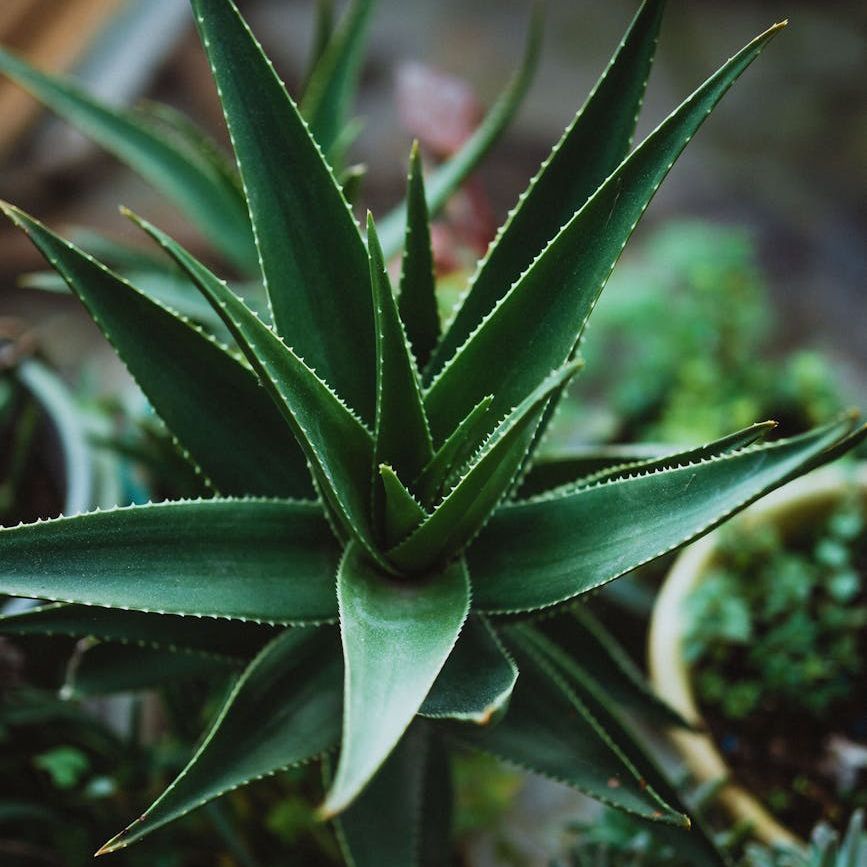
Discover the healing power of Aloe Vera as the ultimate herbal remedy for peptic ulcers. Learn about its soothing properties, benefits, and how it can aid in digestion and promote gut health. Explore natural solutions for relief and recovery with Aloe Vera.
Introduction
Peptic ulcers are painful sores that develop on the lining of the stomach, small intestine, or esophagus. They can cause discomfort, indigestion, and a host of other gastrointestinal issues. While conventional medicine offers various treatments, many people are turning to natural remedies for relief. One such remedy that has gained significant attention is Aloe Vera. This remarkable plant has been used for centuries for its healing properties, and recent studies suggest it may be particularly effective in treating peptic ulcers. In this article, we will explore the benefits of Aloe Vera, how it works, and how you can incorporate it into your daily routine for optimal health.
Check in : From Pain to Power: Healing Osteoarthritis Naturally
Understanding Peptic Ulcers
Before diving into the benefits of Aloe Vera, it’s essential to understand what peptic ulcers are and what causes them. Peptic ulcers occur when the protective lining of the stomach or intestines is compromised, leading to inflammation and erosion. The most common causes of peptic ulcers include:
- Helicobacter pylori Infection: This bacterium is a significant contributor to ulcer formation. It disrupts the mucosal barrier, allowing stomach acid to irritate the lining.
- Long-term Use of NSAIDs: Nonsteroidal anti-inflammatory drugs, such as ibuprofen and aspirin, can damage the stomach lining when used excessively.
- Excessive Alcohol Consumption: Alcohol can irritate and erode the mucous lining of the stomach, leading to ulcer formation.
- Stress: While stress alone doesn’t cause ulcers, it can exacerbate symptoms and slow down the healing process.
- Smoking: Tobacco use can increase stomach acid production and reduce the effectiveness of ulcer treatments.
The Healing Power of Aloe Vera
Aloe Vera is a succulent plant known for its thick, fleshy leaves that contain a gel-like substance. This gel is rich in vitamins, minerals, enzymes, and amino acids, making it a powerhouse of nutrients. Here are some of the key components of Aloe Vera that contribute to its healing properties:
- Vitamins and Minerals: Aloe Vera is packed with vitamins A, C, E, and B vitamins, as well as minerals like calcium, magnesium, and zinc. These nutrients play a crucial role in maintaining overall health and supporting the immune system.
- Amino Acids: Aloe Vera contains 20 of the 22 essential amino acids that the body needs to function optimally. Amino acids are the building blocks of proteins and are vital for tissue repair and regeneration.
- Enzymes: The plant contains various enzymes that aid in digestion and help break down sugars and fats, promoting better nutrient absorption.
- Polysaccharides: Aloe Vera is rich in polysaccharides, particularly acemannan, which has been shown to have anti-inflammatory and immune-boosting properties.
- Antioxidants: The plant is also a source of antioxidants, which help combat oxidative stress and inflammation in the body.
How Aloe Vera Helps with Peptic Ulcers
1. Anti-Inflammatory Properties
One of the primary ways Aloe Vera aids in the healing of peptic ulcers is through its anti-inflammatory properties. The polysaccharides in Aloe Vera help reduce inflammation in the stomach lining, promoting healing and alleviating pain. By soothing the irritated tissues, Aloe Vera can provide relief from the discomfort associated with ulcers.
2. Antimicrobial Effects
Aloe Vera has been shown to possess antimicrobial properties, particularly against Helicobacter pylori, the bacteria responsible for many peptic ulcers. By inhibiting the growth of this bacterium, Aloe Vera can help prevent the formation of new ulcers and support the healing of existing ones.
3. Promoting Mucosal Healing
Aloe Vera gel has been found to stimulate the production of mucus in the stomach, which acts as a protective barrier against stomach acid. This increased mucus production can help shield the stomach lining from further irritation and promote healing.
4. Enhancing Digestion
Aloe Vera aids in digestion by promoting the secretion of digestive enzymes. Improved digestion can help reduce the burden on the stomach and minimize the risk of ulcer formation. Additionally, better nutrient absorption can support overall health and healing.
5. Reducing Acid Production
Some studies suggest that Aloe Vera may help regulate stomach acid production. By balancing acid levels, Aloe Vera can reduce the risk of irritation and promote a healthier digestive environment.
How to Use Aloe Vera for Peptic Ulcers
Incorporating Aloe Vera into your daily routine can be simple and enjoyable. Here are some effective ways to use Aloe Vera for peptic ulcers:
1. Aloe Vera Juice
Aloe Vera juice is one of the most popular ways to consume this healing plant. You can find pre-packaged Aloe Vera juice in health food stores or make your own at home. To make fresh Aloe Vera juice:
- Cut a mature Aloe Vera leaf from the plant.
- Wash the leaf thoroughly to remove any dirt.
- Slice the leaf open and scoop out the gel using a spoon.
- Blend the gel with water until smooth.
- Strain the mixture to remove any pulp, and enjoy!
Start with a small amount (about 1-2 ounces) and gradually increase the dosage as your body adjusts. Drinking Aloe Vera juice on an empty stomach can enhance its effectiveness.
2. Aloe Vera Gel
If you prefer a more concentrated form, you can use Aloe Vera gel directly. Apply the gel to the affected area of your stomach or consume it by spooning it directly from the leaf. The gel can also be added to smoothies or yogurt for a nutritious boost.
3. Aloe Vera Supplements
For those who find it challenging to consume Aloe Vera in its natural form, supplements are available in capsule or tablet form. Always consult with a healthcare professional before starting any new supplement regimen to ensure it’s appropriate for your needs.
4. Aloe Vera in Cooking
Aloe Vera can be incorporated into various dishes. You can add the gel to salads, smoothies, or even desserts. Its mild flavor makes it a versatile ingredient that can enhance the nutritional value of your meals.
5. Aloe Vera Tea
Aloe Vera tea is another excellent way to enjoy the benefits of this plant. You can make Aloe Vera tea by steeping dried Aloe Vera leaves in hot water. Add honey or lemon for flavor, and enjoy a soothing cup of tea that may help alleviate ulcer symptoms.
Precautions and Considerations
While Aloe Vera is generally safe for most people, there are a few precautions to keep in mind:
- Consult Your Doctor: If you have a history of gastrointestinal issues or are currently taking medications, consult your healthcare provider before using Aloe Vera as a remedy.
- Allergic Reactions: Some individuals may be allergic to Aloe Vera. Perform a patch test by applying a small amount of the gel to your skin and waiting 24 hours to see if any adverse reactions occur.
- Dosage: Stick to recommended dosages, as excessive consumption of Aloe Vera can lead to digestive discomfort or diarrhea.
- Pregnancy and Breastfeeding: Pregnant or breastfeeding women should avoid using Aloe Vera supplements, as the effects on fetal development and nursing infants are not well-studied.
- Quality Matters: When purchasing Aloe Vera products, choose high-quality, organic options to ensure you’re getting the best possible benefits without harmful additives.
Conclusion
Aloe Vera is a remarkable herbal remedy that offers a natural approach to managing peptic ulcers. Its anti-inflammatory, antimicrobial, and mucosal healing properties make it a valuable addition to your wellness routine. By incorporating Aloe Vera into your diet, you can support your digestive health and promote healing in a gentle, natural way.
As with any health remedy, it’s essential to listen to your body and consult with a healthcare professional if you have any concerns. With the right approach, Aloe Vera can be your ally in the journey toward better digestive health and overall well-being. Embrace the healing power of this incredible plant and take a step toward a healthier, happier you!
- The Arthritis Home Remedies Bible: 100 Natural Treatments For Lasting Relief : Alfred Okoko
- Rosemary: The Aromatic Herb That Supports Joint Health: Nexus Revamp
- Oregano: A Potent Herb with Ulcer-Healing Benefits: Nexus Revamp
- The Antioxidant Power of Turmeric: A Golden Herb for Heart Health: Nexus Revamp
- Warm Up to Wellness: The Healing Power of Heat for Arthritis: Nexus Revamp
 Nexus Revamp
Leave a comment