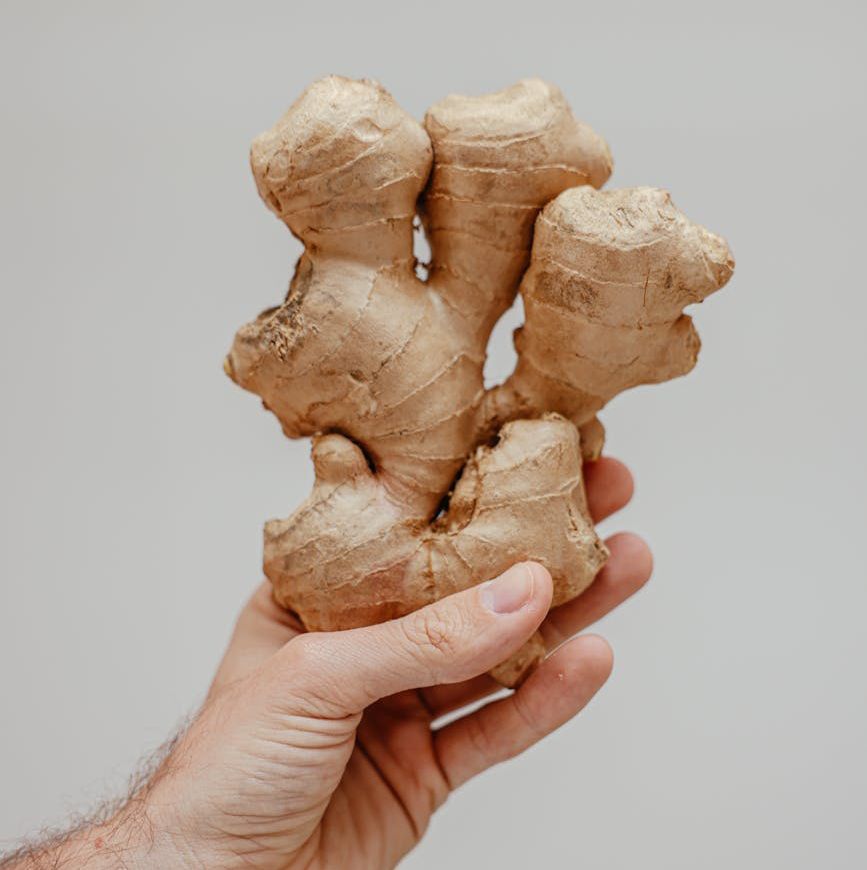
Discover the benefits of ginger for peptic ulcers and learn how to incorporate this powerful root into your diet. Explore its natural healing properties, effective usage tips, and potential side effects to support your digestive health and alleviate ulcer symptoms.
Introduction
Peptic ulcers are painful sores that develop on the lining of the stomach, small intestine, or esophagus. They can cause discomfort, bloating, and a range of other digestive issues. While conventional treatments often involve medications to reduce stomach acid and promote healing, many people are turning to natural remedies for relief. One such remedy that has gained attention is ginger. In this article, we will explore the benefits of ginger for peptic ulcers and how to incorporate it into your diet effectively.

Check ✅ From Pain to Power: Healing Osteoarthritis Naturally
Understanding Peptic Ulcers
Before diving into the benefits of ginger, it’s essential to understand what peptic ulcers are and what causes them. Peptic ulcers can be caused by:
- Helicobacter pylori (H. pylori) Infection: This bacterium is a common cause of peptic ulcers. It can damage the protective lining of the stomach and lead to inflammation.
- Long-term Use of Nonsteroidal Anti-Inflammatory Drugs (NSAIDs): Medications like ibuprofen and aspirin can irritate the stomach lining, increasing the risk of ulcers.
- Excessive Alcohol Consumption: Alcohol can erode the stomach lining and increase acid production.
- Stress: While stress alone doesn’t cause ulcers, it can exacerbate symptoms and slow down the healing process.
- Smoking: Tobacco use can interfere with the stomach’s ability to heal and increase acid production.
The Role of Ginger in Digestive Health
Ginger (Zingiber officinale) is a flowering plant whose rhizome is widely used as a spice and for its medicinal properties. It has been used for centuries in traditional medicine to treat various ailments, particularly digestive issues. Ginger contains bioactive compounds, such as gingerol and shogaol, which are believed to contribute to its health benefits.
Benefits of Ginger for Peptic Ulcers
- Anti-Inflammatory Properties: Ginger is known for its anti-inflammatory effects, which can help reduce inflammation in the stomach lining. This is particularly beneficial for individuals suffering from peptic ulcers, as inflammation can exacerbate pain and discomfort.
- Antimicrobial Effects: Some studies suggest that ginger may have antimicrobial properties that can help combat H. pylori, the bacteria responsible for many peptic ulcers. By inhibiting the growth of this bacterium, ginger may aid in the healing process.
- Promotes Digestive Health: Ginger is often used to alleviate nausea and improve digestion. It can stimulate the production of digestive enzymes, which may help in the overall healing of the digestive tract.
- Reduces Stomach Acid: Ginger may help regulate stomach acid levels, which can be beneficial for those suffering from ulcers. By balancing acid production, ginger can help reduce irritation and promote healing.
- Pain Relief: The analgesic properties of ginger can provide relief from the pain associated with peptic ulcers. It may help soothe the stomach and reduce discomfort.
How to Use Ginger for Peptic Ulcers
Incorporating ginger into your diet can be simple and enjoyable. Here are some effective ways to use ginger for peptic ulcers:
1. Ginger Tea
One of the most popular ways to consume ginger is in the form of tea. Ginger tea is soothing and can be easily made at home.
How to Make Ginger Tea:
- Ingredients:
- 1-2 inches of fresh ginger root
- 2 cups of water
- Honey or lemon (optional)
- Instructions:
- Peel and slice the ginger root.
- Boil the water in a pot.
- Add the ginger slices to the boiling water and let it simmer for about 10-15 minutes.
- Strain the tea into a cup and add honey or lemon if desired.
- Enjoy this tea 1-2 times a day.
2. Ginger in Cooking
Adding fresh ginger to your meals is another excellent way to reap its benefits. You can use ginger in stir-fries, soups, marinades, and smoothies.
Recipe Idea: Ginger Stir-Fry
- Ingredients:
- 1 tablespoon of fresh ginger, grated
- 2 cups of mixed vegetables (bell peppers, broccoli, carrots)
- 1 tablespoon of olive oil
- Soy sauce or tamari (to taste)
- Instructions:
- Heat olive oil in a pan over medium heat.
- Add the grated ginger and sauté for a minute until fragrant.
- Add the mixed vegetables and stir-fry for about 5-7 minutes.
- Drizzle with soy sauce or tamari and serve warm.
3. Ginger Supplements
If you find it challenging to incorporate enough ginger into your diet, consider ginger supplements. These are available in various forms, including capsules, powders, and extracts. However, it’s essential to consult with a healthcare professional before starting any supplement regimen, especially if you have existing health conditions or are taking medications.
4. Ginger Juice
Fresh ginger juice can be a potent addition to your diet. You can make ginger juice by blending fresh ginger with water and straining it.
How to Make Ginger Juice:
- Ingredients:
- 1-2 inches of fresh ginger root
- 1 cup of water
- Instructions:
- Peel and chop the ginger into small pieces.
- Blend the ginger with water until smooth.
- Strain the mixture through a fine mesh sieve or cheesecloth to extract the juice.
- Drink a small amount (1-2 tablespoons) diluted in water or mixed with honey.
Precautions and Considerations
While ginger is generally safe for most people, it’s essential to consider a few precautions:
- Consult Your Doctor: If you have a peptic ulcer or any other medical condition, consult your healthcare provider before using ginger as a remedy. They can provide personalized advice based on your health status.
- Dosage: Moderation is key. While ginger has many benefits, excessive consumption can lead to digestive discomfort, including heartburn or diarrhea. Stick to recommended amounts.
- Interactions with Medications: Ginger may interact with certain medications, including blood thinners and medications for diabetes. Always inform your doctor about any supplements or natural remedies you are taking.
- Allergies: Some individuals may be allergic to ginger. If you experience any adverse reactions after consuming ginger, discontinue use and consult a healthcare professional.
Lifestyle Changes for Managing Peptic Ulcers
In addition to incorporating ginger into your diet, consider making some lifestyle changes to help manage peptic ulcers:
- Avoid Trigger Foods: Certain foods can exacerbate ulcer symptoms. Spicy foods, acidic foods, and caffeine may irritate the stomach lining. Pay attention to your body and avoid foods that trigger discomfort.
- Limit NSAIDs: If you take NSAIDs for pain relief, discuss alternatives with your doctor. They may recommend other pain management strategies that are less likely to irritate your stomach.
- Reduce Stress: Stress management techniques, such as meditation, yoga, and deep breathing exercises, can help reduce symptoms and promote healing.
- Quit Smoking: If you smoke, consider quitting. Smoking can hinder the healing process and increase the risk of complications.
- Stay Hydrated: Drinking plenty of water can help dilute stomach acid and promote overall digestive health.
Conclusion
Ginger is a powerful natural remedy that may offer relief for those suffering from peptic ulcers. Its anti-inflammatory, antimicrobial, and digestive properties make it a valuable addition to your diet. Whether you enjoy ginger tea, incorporate it into your meals, or consider supplements, ginger can be a supportive ally in your journey toward healing.
However, it’s crucial to approach any natural remedy with caution and consult with a healthcare professional, especially if you have existing health conditions. By combining ginger with a healthy lifestyle and dietary choices, you can take proactive steps toward managing your peptic ulcers and improving your overall digestive health. Remember, healing takes time, so be patient and listen to your body as you explore the benefits of ginger.
- The Arthritis Home Remedies Bible: 100 Natural Treatments For Lasting Relief : Alfred Okoko
- Rosemary: The Aromatic Herb That Supports Joint Health: Nexus Revamp
- Oregano: A Potent Herb with Ulcer-Healing Benefits: Nexus Revamp
- The Antioxidant Power of Turmeric: A Golden Herb for Heart Health: Nexus Revamp
- Warm Up to Wellness: The Healing Power of Heat for Arthritis: Nexus Revamp
 Nexus Revamp
Leave a comment